510 Battery Voltage and Oil Viscosity: A Pairing Guide
- Share
- publisher
- Transpring
- Issue Time
- Nov 19,2026
Summary
Battery voltage controls heat, oil viscosity controls flow. This guide explains how the two interact, how cartridge design and preheat change the result, and how cannabis brands can test a voltage and hardware pairing that stays consistent from the first puff to the last.
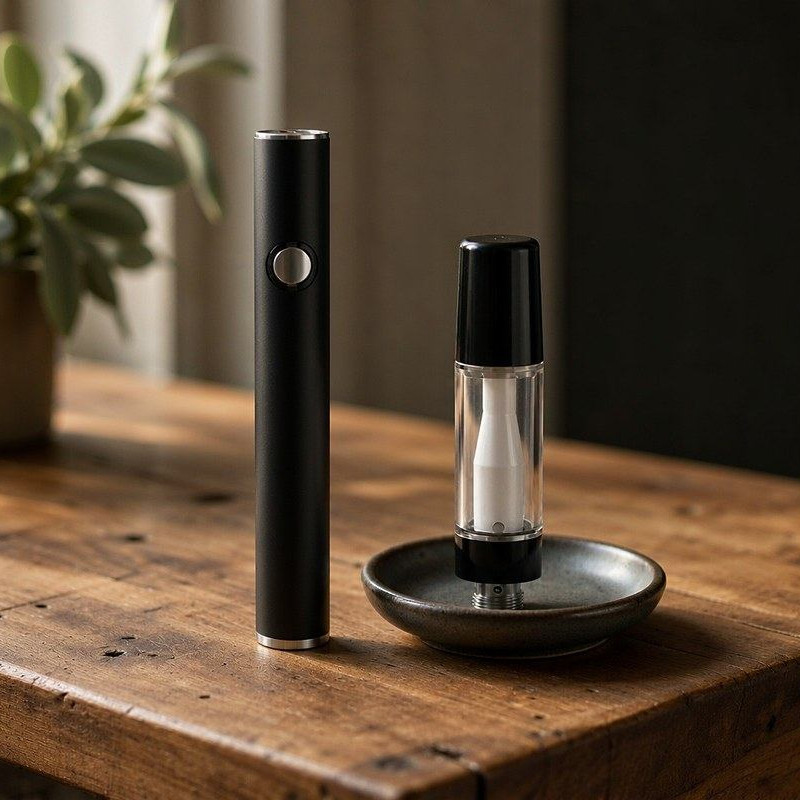
When developing a cannabis vape product, choosing the right 510 battery is about more than compatibility. Battery voltage directly affects how efficiently the heating element vaporizes oil, while oil viscosity determines how easily the material flows toward the heating surface. If these two factors are not properly matched, users may experience weak vapor production, burnt flavors, clogging, or inconsistent performance. For cannabis brands, understanding the relationship between voltage and oil viscosity is essential to building a vape that delivers consistent performance from the first puff to the last. Voltage is the heat input. Viscosity is the oil supply. Thin oils need gentle heat, and they can flood or overheat quickly when the voltage runs high. Thick oils need more heat plus help reaching the heating surface, so intake size, preheat, and draw behavior matter as much as the voltage number itself. There is no universal setting for every oil. The right pairing is the one that keeps oil supply and vaporization in step on your specific cartridge and battery. Oil viscosity refers to how easily a liquid flows. In cannabis vape products, different formulations can have significantly different viscosities depending on their cannabinoid concentration, terpene content, extraction method, and other formulation characteristics. Viscosity is not necessarily fixed. Temperature changes can also affect how easily oil flows. Oil becomes thicker in colder environments and thinner in warmer conditions, which matters during transportation, storage, and everyday use. These oils are thinner and flow more easily toward the heating element. They usually work well with a wider range of hardware configurations. These oils move more slowly and may require more carefully designed heating and airflow systems to maintain consistency. A 510 battery supplies electrical power to the cartridge's heating element. Voltage influences how much energy the heating element receives and, together with coil resistance, determines the power output. The relationship can be described using a basic electrical formula: Power (W) = Voltage² / Resistance (Ω) At the same resistance, increasing voltage increases power output and generally produces more heat. Higher voltage does not automatically mean better performance. Different voltage levels can produce different vaping experiences, and the difference is most obvious when the same oil is tested across the full range. The ideal setting depends on more than oil viscosity. Heating element resistance, ceramic structure, airflow, oil composition, and heating duration all influence the final result, which is why a voltage that performs well on one cartridge may disappoint on another. Provides gentler heating, which may help preserve delicate terpene profiles and reduce the risk of overheating. Offers a balance between vapor production, flavor, and heating efficiency for many formulations. Delivers more heating power and can support thicker oils or larger vapor production, but excessive heat may cause burnt flavors, harsh vapor, or material degradation. The key to pairing battery voltage with oil viscosity is finding a balance between oil delivery and vaporization. When oil is too thick to flow toward the heating element efficiently, the heating surface may not receive enough material to replace what has already been vaporized. Increasing voltage without addressing this flow issue can make the problem worse by overheating the oil around the heating area. On the other hand, thinner oils may flow readily but can be exposed to excessive heat if the voltage is set too high. The table below summarizes general considerations for hardware development, organized by how the oil behaves rather than by a single fixed number. These are starting points rather than fixed voltage recommendations. There is no universal voltage setting for each viscosity category because cartridge resistance and heating technology vary across products. For brands developing their own formulations, testing the actual oil and hardware combination is far more reliable than selecting a voltage based on viscosity alone. Hardware built for this kind of testing includes the CannaMate B230 adjustable vape pen battery, which lets a brand move through several voltage levels with the same cartridge. Battery voltage is only one part of the equation. Even a well-selected voltage setting cannot compensate for poorly designed cartridge structures. Several hardware factors deserve attention, and each one changes how much heat actually reaches the oil at the moment of inhalation. Different ceramic cores and heating structures distribute heat differently. Heating surface area, pore structure, and material composition all affect how oil is absorbed and vaporized. A well-matched heating element helps maintain a more consistent balance between oil supply and vapor production. Thicker oils may need larger or strategically positioned intake pathways to support consistent delivery. Airflow design also influences vapor production and draw resistance. Both should be evaluated alongside battery output. A preheat function briefly warms the oil before inhalation, helping thicker formulations flow more easily toward the heating element. It can be particularly useful in colder conditions. Preheat duration and power should be carefully controlled to avoid unnecessary heating. Traditional fixed-voltage batteries deliver relatively consistent electrical output, but actual heating behavior can change with resistance, battery conditions, and usage patterns. Advanced control systems adjust output over time to better suit different formulations and heating requirements. For cannabis brands, the best way to determine the right voltage and cartridge configuration is through systematic compatibility testing. Identify the viscosity characteristics of the target oil under different temperature conditions. Test multiple voltage settings with the intended cartridge resistance and heating element. Pay attention to several performance indicators. Flavor consistency asks whether the product maintains its intended flavor profile throughout use. Vapor production asks whether output stays consistent without excessive heating. Oil delivery asks whether oil reaches the heating element efficiently. Clogging and leakage ask whether the cartridge maintains reliable performance during storage and use. End-of-life performance asks whether the device continues working as the oil level decreases. Testing should also include different storage temperatures and realistic usage patterns. A configuration that performs well in a warm testing environment may behave differently during colder transportation or outdoor use. Cartridges that support this kind of evaluation include the CannaMate CLEAR cotton-free ceramic cartridge and the CannaMate CARBOY 2ml glass cartridge. A successful cannabis vape is not simply a battery paired with a compatible cartridge. It is a complete system in which oil formulation, voltage output, heating technology, airflow, and cartridge structure work together. At Transpring, we believe great vape hardware starts with understanding the oil it is designed to vaporize. By combining oil compatibility testing, ceramic heating technology, and customized voltage control solutions, brands can develop hardware configurations that better match their formulations and product goals. The right voltage is not simply the highest or lowest setting. It is the one that works best with your oil, your hardware, and the experience your brand wants to deliver. Working through the pairing early keeps later decisions simpler. If you are still mapping your formulation against a battery range, the B320 high-power 510 battery and the B650 smart battery with a digital screen cover different ends of the output spectrum, so the same oil can be compared under more than one control model. To discuss a specific formulation, intake configuration, or voltage range, talk to the Transpring team.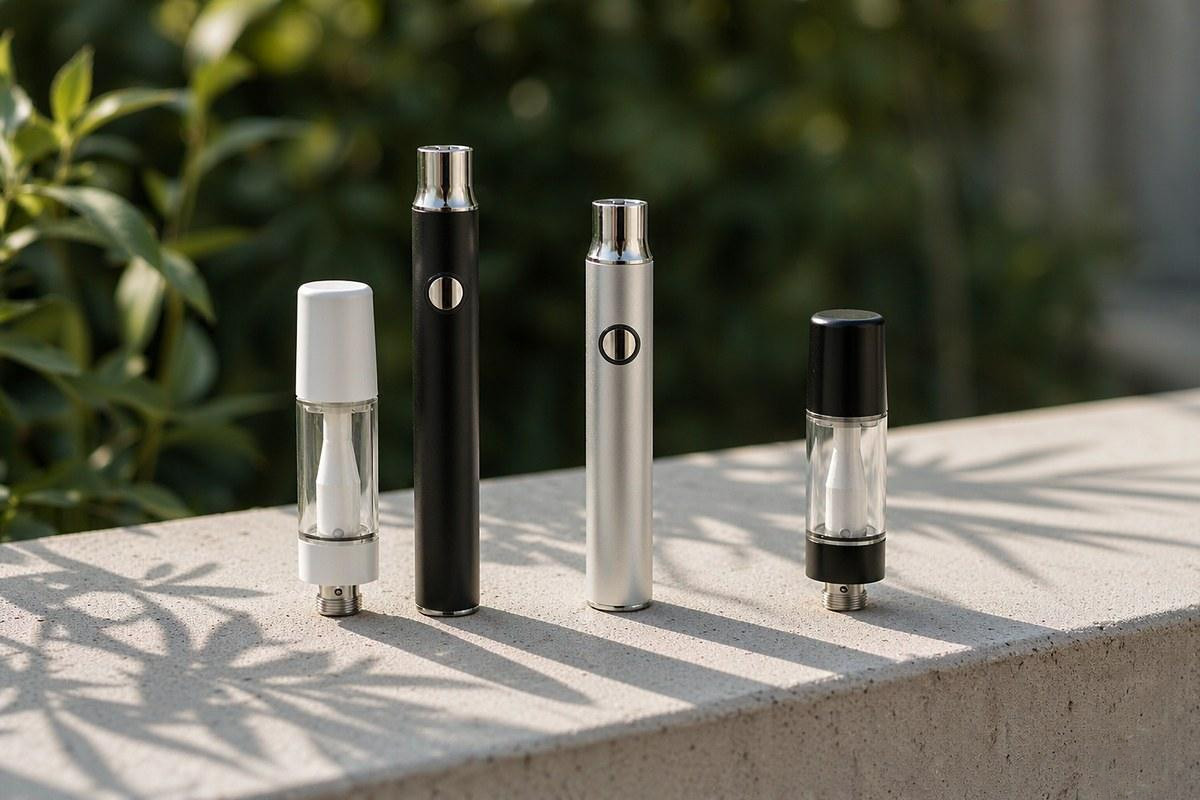
The short answer
1. Understanding Oil Viscosity
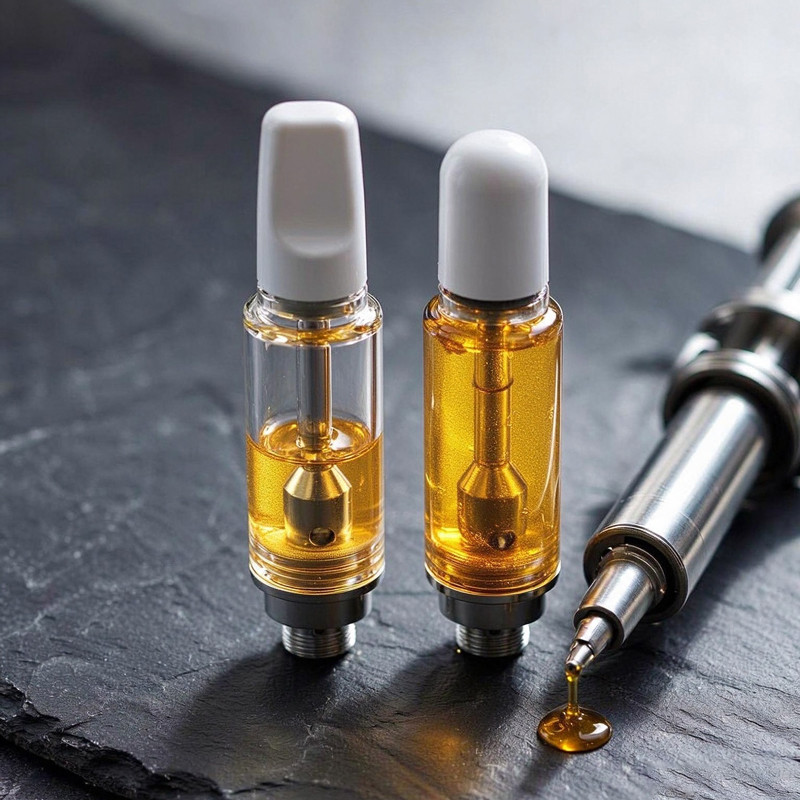
Low-viscosity oils
High-viscosity oils
2. How Battery Voltage Affects Vaporization
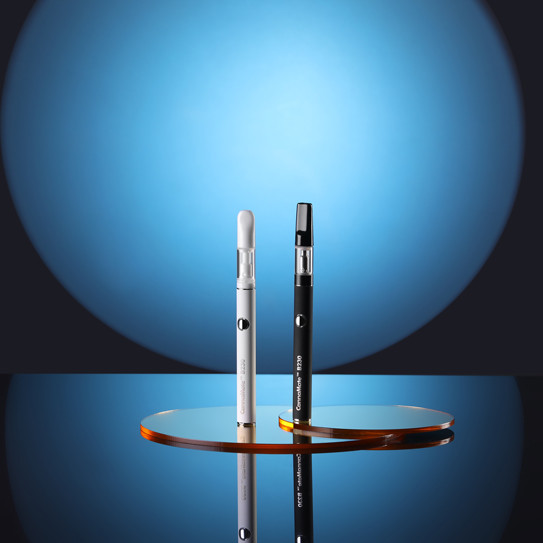
Lower voltage
Medium voltage
Higher voltage
3. Matching Voltage with Oil Viscosity
Oil behavior
Typical voltage starting point
Intake and wicking
Preheat and control
Thin, fast-flowing
Lower range, gently applied
Standard or smaller intake holes, with attention to flooding
Preheat rarely needed, short draws help protect terpenes
Medium, moderate flow
Middle range for balanced output
Standard intake matched to a balanced ceramic core
Brief preheat useful in cool rooms or after long storage
Thick, slow-flowing
Higher range, applied in short bursts
Larger or multiple intake ports to support steady delivery
Preheat before draws, avoid prolonged continuous firing
4. Why Hardware Design Matters
Heating Element Design
Oil Intake and Airflow
Preheat Function
Temperature Control
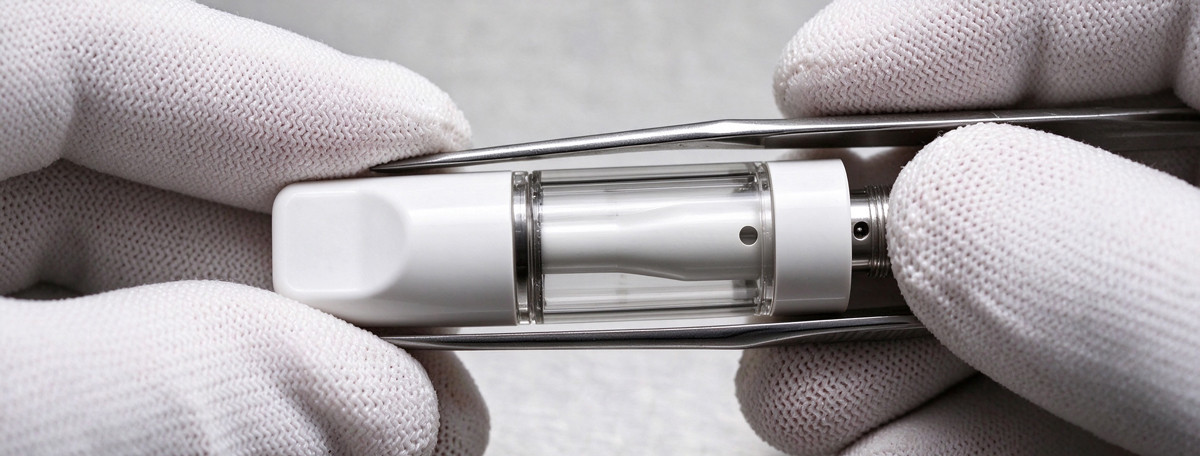
5. Testing Before Finalizing Your Pairing
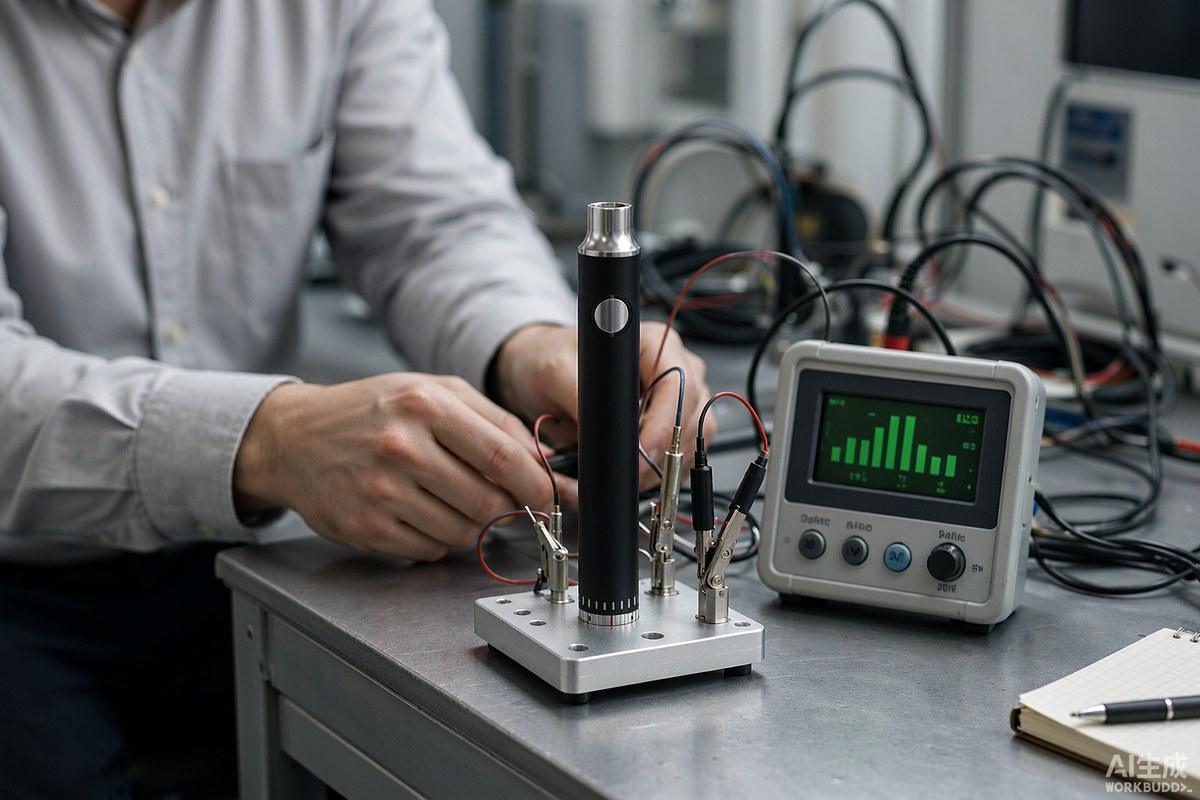
6. Build the Right Combination for Your Oil