California Cannabis Vape Market Analysis: A Complete Guide for 2026
- Share
- publisher
- Transpring Marketing Team
- Issue Time
- Jul 15,2026
Summary
A data-driven analysis of California cannabis vape market in 2026, covering market size, top brands, pricing trends, disposable vs cartridge growth, oil preferences, and the black market challenge.

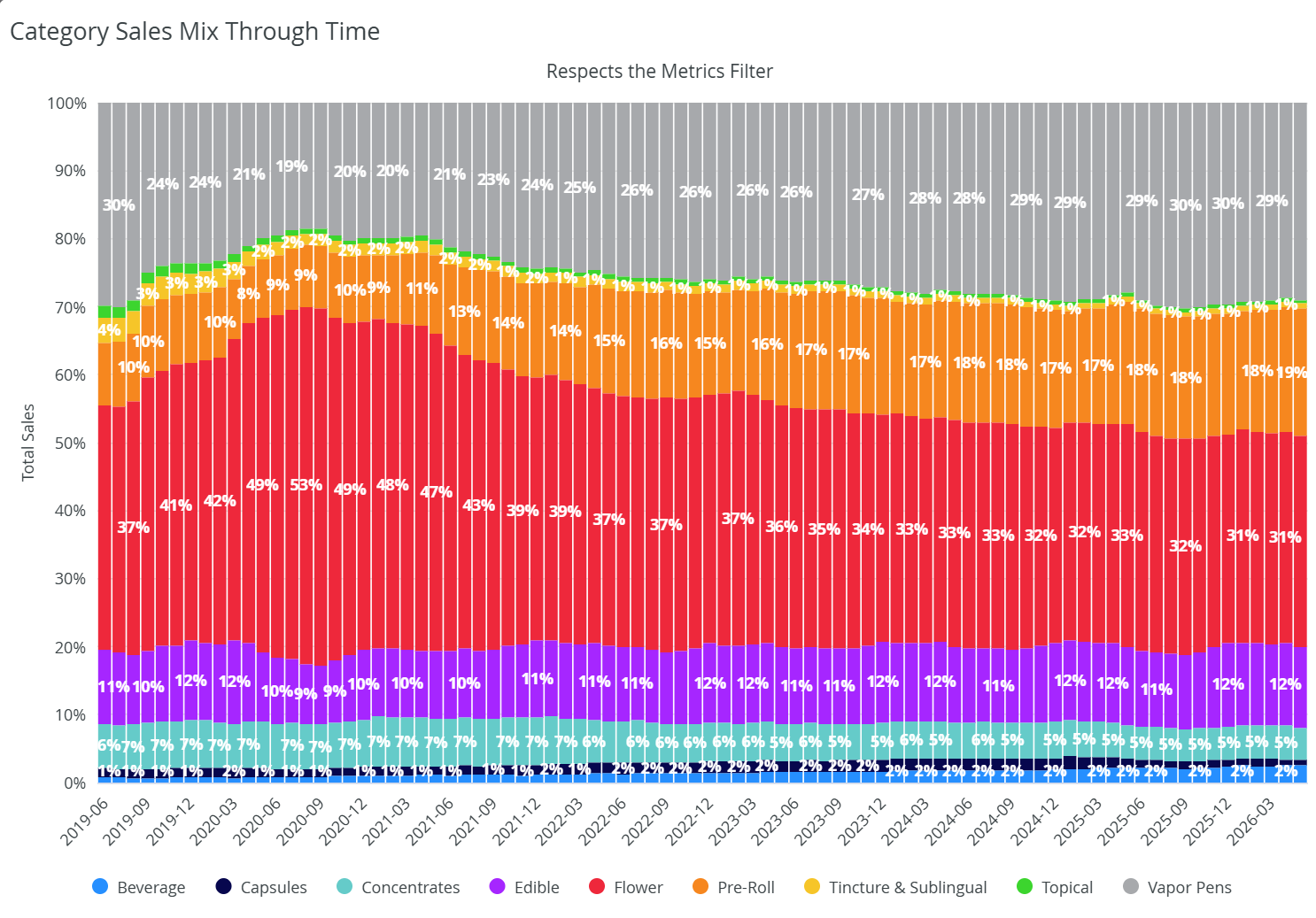
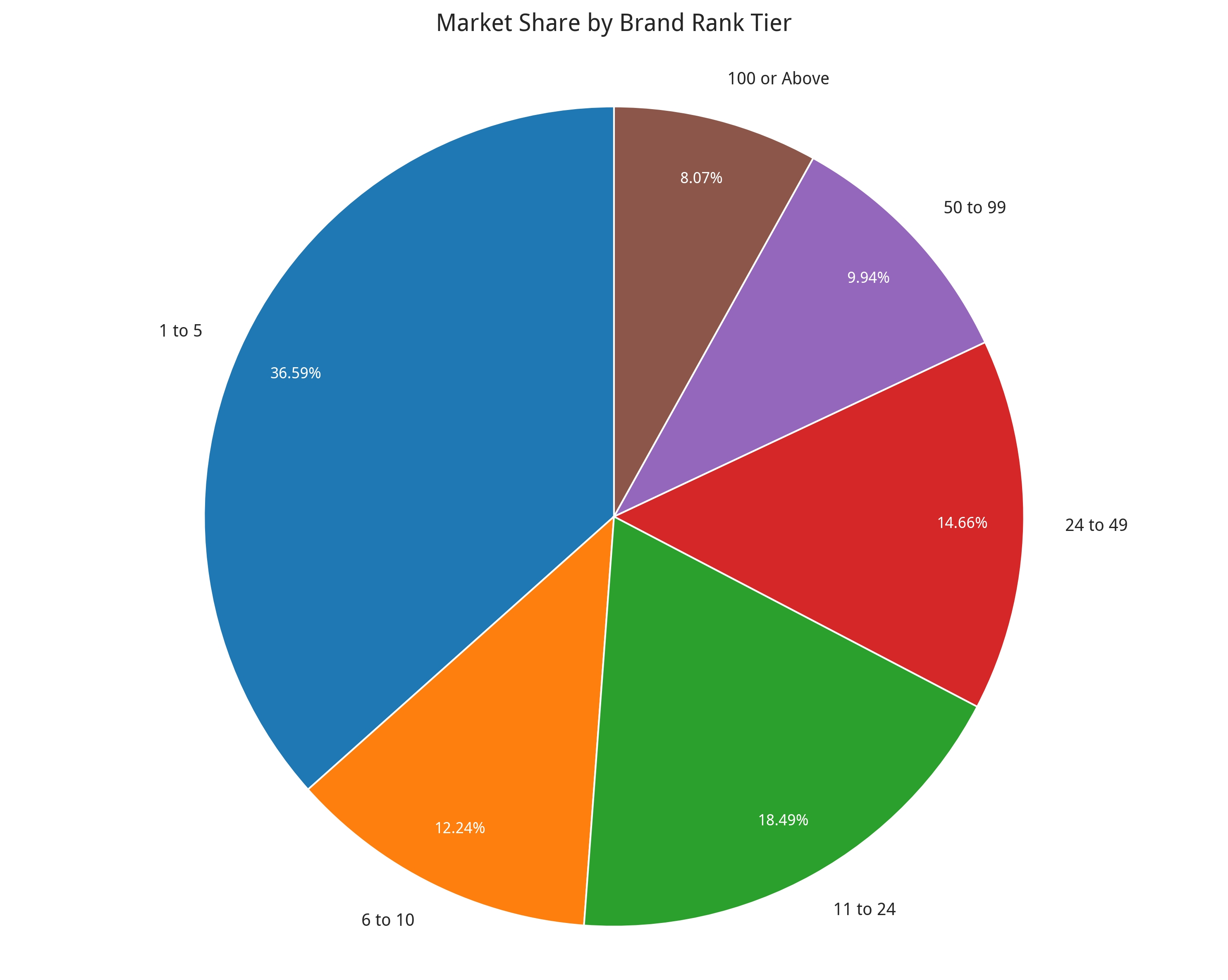
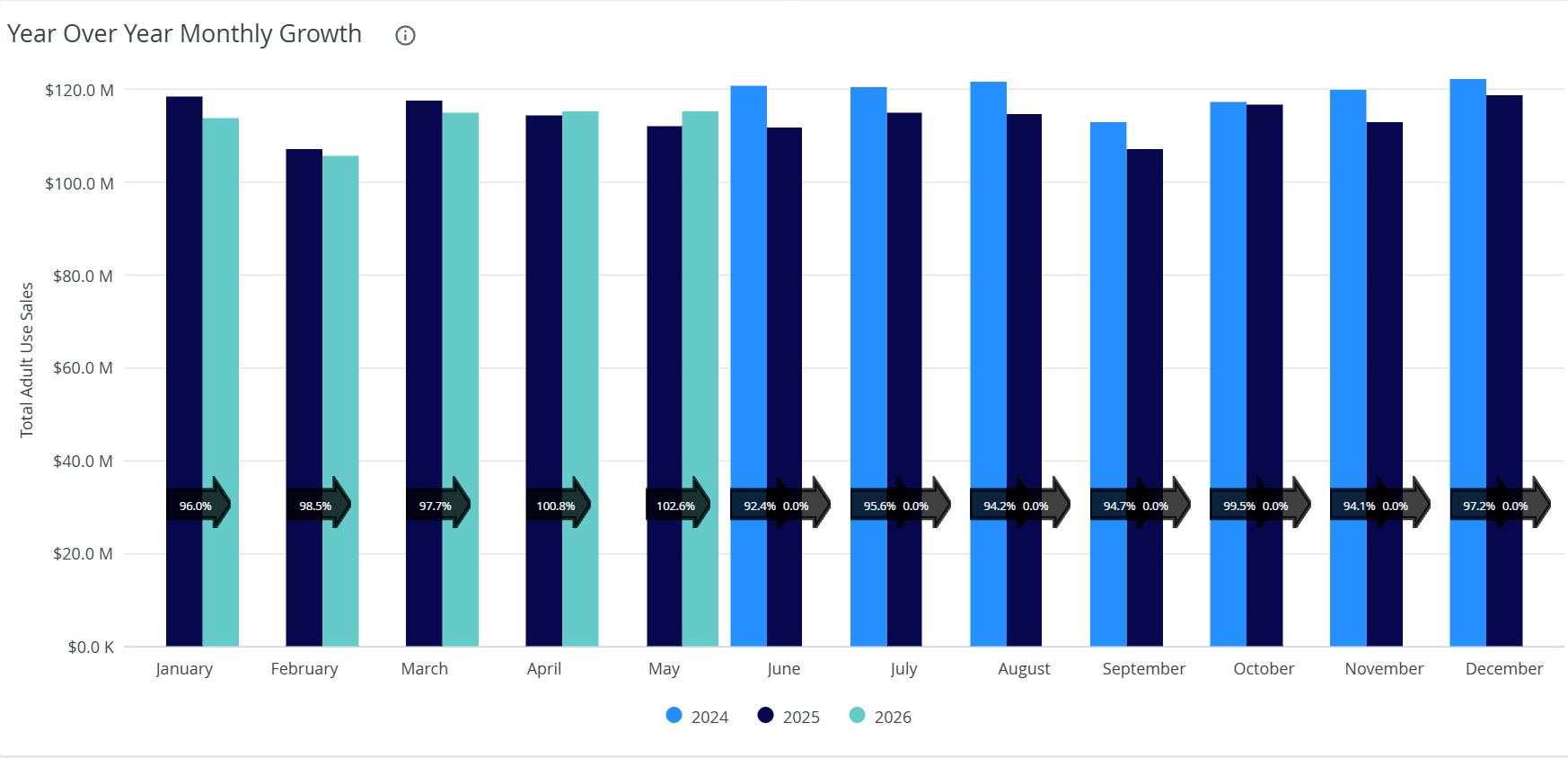
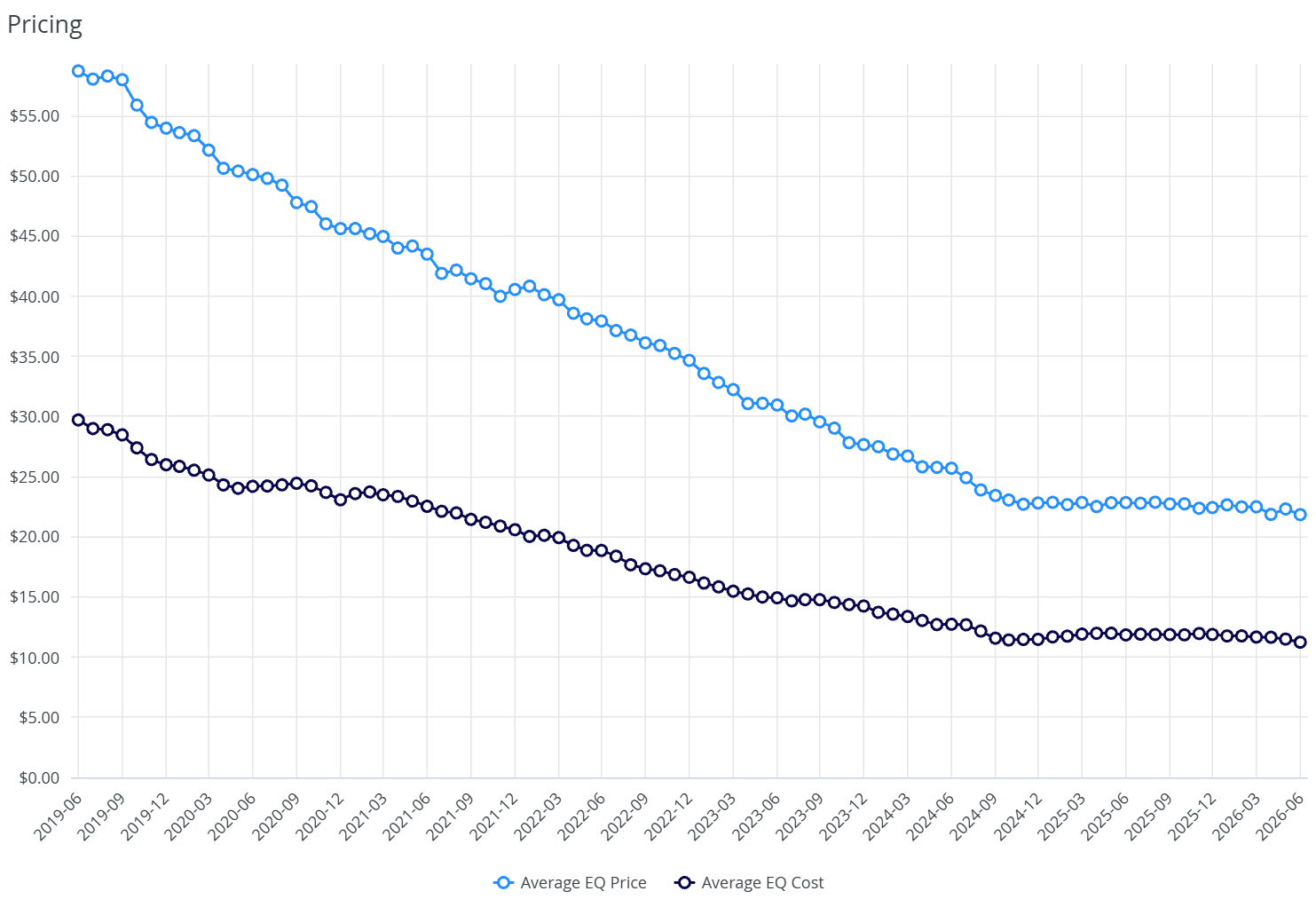
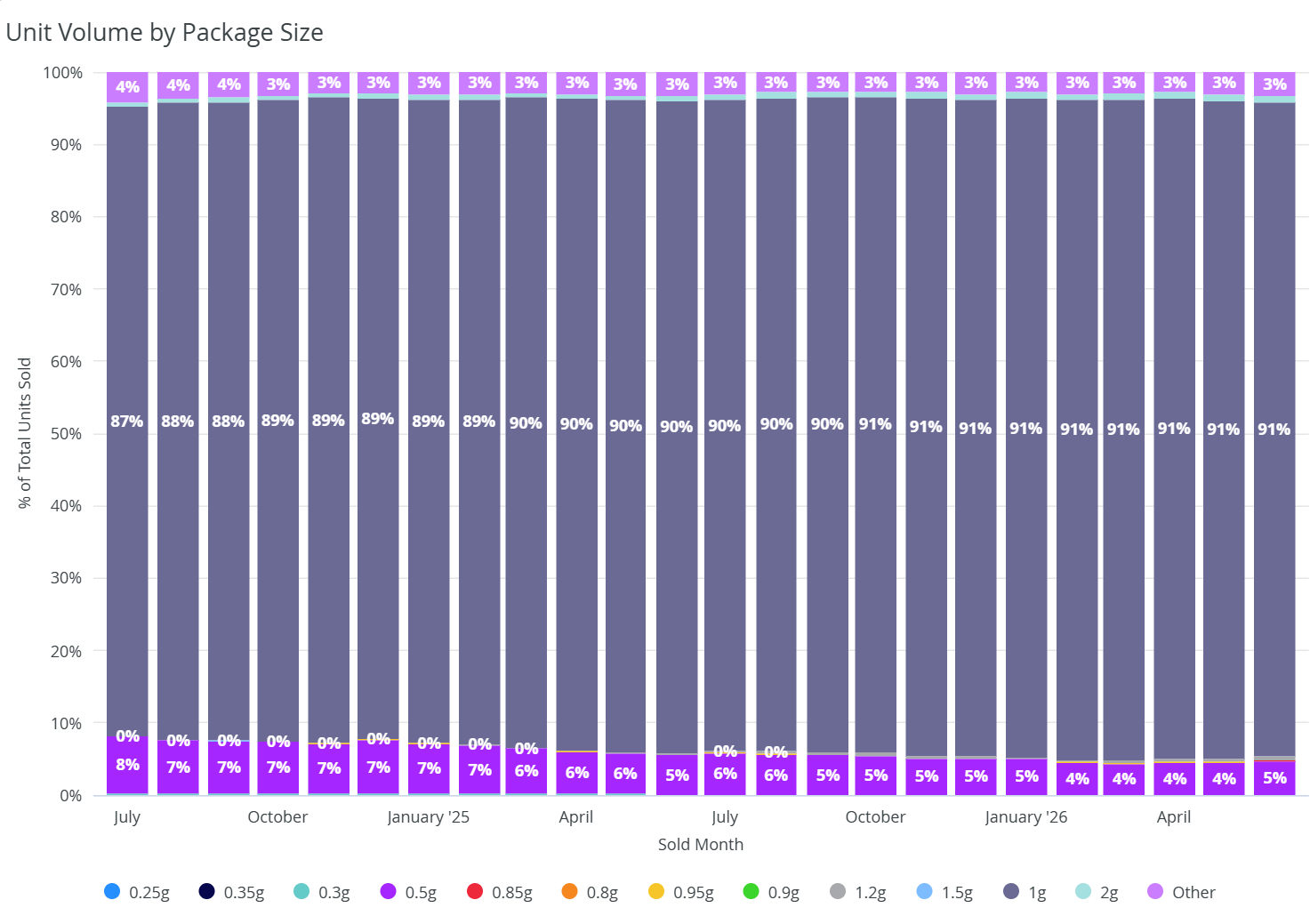
California is not just the largest U.S. state by population and economy; it is also the most influential market for legal cannabis. For vape hardware suppliers, brand operators, and investors, understanding how California's cannabis vape market is structured today is essential for product planning and market entry. California sits on the U.S. West Coast, bordered by Oregon, Nevada, and Arizona. With a population of roughly 39.5 million, it is the most populous state in the country and would rank as the world's fourth or fifth largest economy if measured independently. Those two facts alone explain why California is the default battleground for any serious cannabis brand. Adult-use cannabis became legal on November 8, 2016, and commercial retail sales began on January 1, 2018. Since then, the state has built the longest operating track record of any major adult-use market, giving it deeper data, more mature supply chains, and stronger consumer habits than newer states. California's adult-use cannabis market totals approximately $4 billion, representing about 17% of the entire U.S. market. Within that total, product mix is evolving quickly: Brand concentration is high. The top five brands capture 36.59% of all cannabis sales, the top ten hold 48.83%, and the top twenty-four together account for 67.32%. This means the California market is a "winner-take-most" environment where established leaders control shelf space and consumer attention. California is the national leader in cannabis vape sales by a wide margin, roughly double the size of Michigan, the next largest state. Yet its average vape price is among the lowest in the country, a sign of intense competition and a cost-efficient supply chain. Vape sales exploded between 2019 and 2020, growing by roughly 12.7 million units or about 105% in a single year. Growth stayed strong during 2020–2022, but from 2024 to 2026, the market has matured, and expansion has slowed significantly. Average vape prices have fallen steadily since 2019. Since the second half of 2024, prices have flattened, suggesting that margins and manufacturing costs have been compressed to the limit. Without a major market shift, further price declines are unlikely. Cartridges still dominate with 56.1% of the vape market, but their share has been declining. If the current trend continues, disposables will overtake cartridges within two to three years. In both formats, 1 gram has become the standard package size, now accounting for about 91% of unit volume. California consumers are more oil-savvy than the national average. While distillate remains the cheapest option and holds 41.8% of the oil market, the combined share of live resin, rosin, and diamond products has reached 51.6%. This reflects strong demand for terpene retention and complex flavor profiles. In disposable vapes, the top ten brands over the last year were STIIIZY, Cake She Hits Different, Turn, Gramlin, Raw Garden, Dime Industries, Dabwoods Premium Cannabis, Jetty Extracts, Bloom, and Clsics. In cartridges, the top ten were STIIIZY, Raw Garden, Plug Play, Jetty Extracts, Cold Fire, Heavy Hitters, Jeeter, Rove, West Coast Cure, and Flavorade. Nineteen of the top twenty vape brands in California are homegrown. The only out-of-state brand in the top twenty is Washington's Micro Bar. This dominance also works in reverse: California brands appear in top brand lists in most other states, proving their ability to expand nationally. STIIIZY stands alone in the first tier, with an 18.09% market share, roughly 2.4 times that of second-place Raw Garden. Its proprietary pod system, vertical integration, and 62 retail stores create a powerful lock-in effect and high repeat purchase rates. Raw Garden, Jetty Extracts, and Plug Play form a competitive second tier. Raw Garden is the clearest specialist, focusing almost exclusively on live resin. The third tier is crowded and volatile, with many brands separated by tiny market share differences. Heavy Hitters commands the highest average EQ price in the top twenty, nearly $7 above second-place Cold Fire. Its positioning is unapologetically focused on experienced consumers who prioritize high potency, purity, and consistency. Other notable brands include Cake She Hits Different, the only female-founded brand in the top ten, which grew rapidly after launching a 1.25g disposable at the same price as the 1g standard. Cold Fire Extracts has been growing continuously since 2020 through a low-temperature extraction process that preserves terpenes. Jeeter leveraged its pre-roll leadership to build a strong vape business, while Rove now operates in 16 states and has become one of the most geographically distributed brands. California's legal market exists alongside the largest cannabis black market in the United States. Annual consumption is estimated at about 3.8 million pounds, while 2024 legal production was only about 1.4 million pounds. That leaves roughly 2.4 million pounds, or about 60% of the market, supplied by the illicit channel. The black market persists for five main reasons: For hardware suppliers and brand partners, California is not just a single market; it is a scale and credibility test. Winning here creates a template that can be exported to other states as they mature. Explore our cannabis vape hardware solutions or contact our team to discuss how your products can be optimized for the California market.
1. Why California Dominates the U.S. Cannabis Market
2. The Overall California Cannabis Market
3. California Vape Market by the Numbers
Growth trajectory
Pricing pressure
Format split
Oil preferences
Top brand rankings
4. Leading Vape Brands in California
Market tiers
Pricing power
5. The Black Market Challenge
6. Key Takeaways for Industry Players