Do Cannabis Vape Cartridges Expire? Shelf Life, Degradation Timelines & When to Toss Yours
- Share
- publisher
- Transpring
- Issue Time
- Sep 19,2026
Summary
Cannabis vape cartridges carry no fixed expiration date, but they do change over time. A sealed cart stays in good condition for roughly 12 to 24 months when kept cool, dark, and stable. Terpene-rich live resin and rosin may shift in 6 to 12 months, and an opened cart is best used within 3 to 6 months. This guide covers what degrades inside the oil, the warning signs of a cart gone bad, and how storage and hardware design protect oil quality.
Cannabis vape cartridges do not usually come with a simple expiration date like food or medicine, but that does not mean they last forever. Over time, cannabis oil can change in color, flavor, consistency, and overall performance. The cartridge hardware can also affect how well the oil is preserved. For consumers, understanding cannabis vape cartridge shelf life can help prevent disappointing or unpleasant vaping experiences. For cannabis brands and hardware manufacturers, it is even more important. Oil stability, cartridge materials, sealing performance, and storage conditions can all influence product quality long after a cartridge leaves the production line. So, how long do cannabis vape cartridges actually last? And how can you tell when a cartridge has gone bad? A properly sealed cannabis vape cartridge can generally remain in good condition for around 12 to 24 months when stored in a cool, dark, and stable environment. However, this is a general range rather than a universal expiration date. The type of cannabis oil makes a major difference. Distillate typically has the longest shelf life. Because distillate is highly refined and generally contains fewer volatile compounds than more terpene-rich extracts, it can remain relatively stable for longer periods when properly stored. Live resin and rosin are different. These extracts often contain more volatile terpenes and other compounds that can change over time. As a result, a reasonable quality window may be closer to 6 to 12 months, particularly if the product is exposed to heat, light, oxygen, or repeated temperature changes. Once a cartridge has been opened and attached to a battery, the situation changes again. Exposure to air, temperature changes, and repeated heating can accelerate changes in both the oil and hardware. For reliable performance, an opened cartridge is generally best used within 3 to 6 months, assuming it has been stored properly. Shelf life is not determined by the oil alone The cartridge itself becomes part of the preservation system. Reservoir material, seals, ceramic core, and oil intake design all influence how quickly the oil changes after filling. Cannabis oil does not suddenly become unusable on a specific day. Degradation is usually gradual. One of the better-known changes involves THC. Over time, THC can slowly oxidize and convert into other cannabinoids, including CBN. This process can contribute to changes in the overall cannabinoid profile and may be associated with a more sedative experience. Color can also change. Fresh cannabis oil may appear light gold or amber, while older oil can become noticeably darker. A darker color does not automatically mean that a cartridge is unsafe, but significant darkening can be a sign that the oil has experienced oxidation, heat exposure, or prolonged storage. Terpenes are often affected even sooner. Many terpenes are volatile, meaning they can evaporate or change relatively easily when exposed to heat, oxygen, or imperfect seals. This is why a cartridge may lose some of its original aroma and flavor long before the consumer notices a major change in cannabinoid potency. From a hardware perspective, this makes sealing extremely important. A cartridge with a well-designed seal and stable materials can help reduce unnecessary exposure to the surrounding environment. Not every change means a cartridge needs to be thrown away. However, several warning signs deserve attention. Some cannabis oils naturally become darker over time, but dramatic or unusual darkening can indicate oxidation or prolonged exposure to heat. If the oil has changed significantly compared with its original appearance, caution is warranted. Certain cannabis concentrates can naturally crystallize under specific conditions, so crystallization alone does not always mean the product is spoiled. However, unusual changes in consistency, separation, or oil behavior can indicate that the formulation has changed significantly. Your nose can be a useful quality check. If the oil develops a strange, chemical, burnt, sour, or otherwise unpleasant smell that was not present originally, it is better not to use the cartridge. Flavor is one of the first things that can reveal degradation. If a cartridge suddenly tastes flat, harsh, burnt, or noticeably different from the original oil profile, the oil or heating system may no longer be performing as intended. A cartridge that produces an unusual experience should not be forced to finish simply because there is oil left inside. Proper storage can significantly slow down degradation. Keep cannabis vape cartridges cool, dark, dry, and away from direct sunlight. Keeping cartridges upright can also help minimize unwanted oil movement and reduce the chance of oil reaching areas of the hardware where it does not belong. Avoid leaving cartridges in hot cars, near windows, or in other locations where temperatures can fluctuate significantly. Avoid unnecessary exposure to air, and once a cartridge has been opened and attached to a battery, use it within a reasonable period rather than leaving it unused for months. Do Do not For cannabis brands, storage considerations start much earlier. Packaging should protect cartridges from light, heat, moisture, and physical damage during transportation and storage. More importantly, brands should evaluate the compatibility between their specific oil formulation and cartridge hardware. This includes testing the reservoir material, seals, ceramic core, airflow structure, and oil intake design under different conditions. Shelf life should not simply be estimated from the oil itself. A well-designed vape system should be evaluated as a complete product. For hardware manufacturers, long-term oil compatibility testing can provide valuable information about how a cartridge performs after storage. Testing under different temperatures and conditions can help identify potential changes in color, viscosity, leakage, flavor, and vapor performance before a product reaches the market. A cannabis vape cartridge does not have a single expiration timeline that applies to every product. Oil type, reservoir material, seals, heating technology, packaging, and storage conditions all play a role. As a general guideline, 12 to 24 months is a reasonable range for a properly sealed cartridge stored under good conditions, while terpene-rich extracts may show quality changes sooner. Once opened and regularly used, a shorter 3 to 6 month window is more practical for maintaining reliable performance. For consumers, proper storage and paying attention to changes in color, smell, texture, and flavor are the simplest ways to protect product quality. For cannabis brands, the bigger lesson is that shelf life starts with hardware design. The right reservoir material, sealing system, oil compatibility, and testing process can help protect the oil from production through the final puff. See how these principles come together across cartridges, disposables, pod systems, and batteries in the Transpring vape hardware catalog. In short, a cart does not expire on a date. It degrades on a curve, and hardware design decides how flat that curve stays.
How Long a Sealed Cart Actually Lasts
Distillate
Live resin and rosin
Once opened and attached to a battery
What Degrades Inside the Oil?
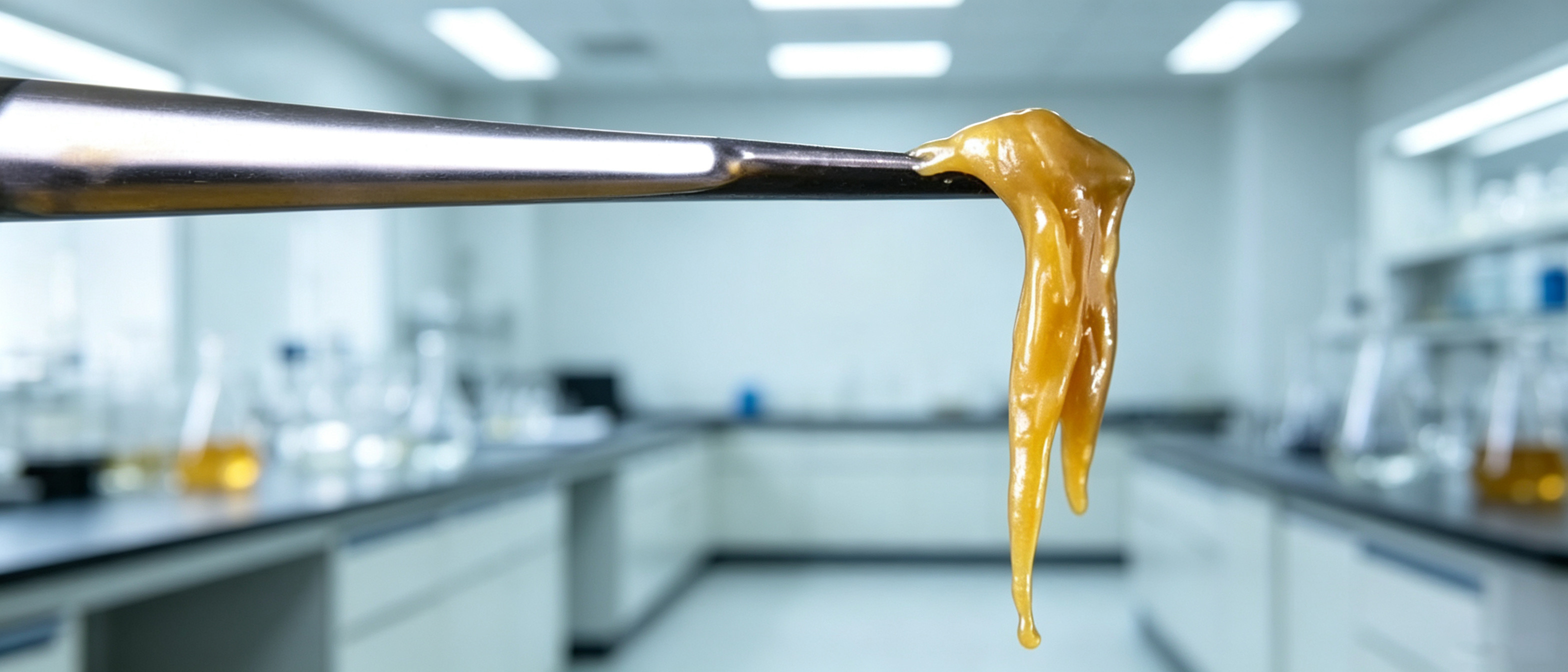
THC oxidation and CBN
Color shift
Terpene loss comes first
The Four Signs a Cart Has Gone Bad
Significant darkening
Crystallization or major texture changes
Off smells
Harsh or hollow hits

Storage Do's and Don'ts for Consumers and Brands
For consumers
For cannabis brands

Final Thoughts