How to Choose the Right Cannabis Vape Hardware for Your Oil
- Share
- Issue Time
- Sep 27,2026
Summary
Selecting the right cannabis vape hardware for your oil comes down to three things: your oil, your hardware, and your target market. This guide explains how viscosity and formulation drive coil, airflow, and inlet choices, why cannabis oil does not work in every vape, and how to shortlist devices such as GLOW, LUMI, VULCAN, and REBEL Series before testing your own oil.
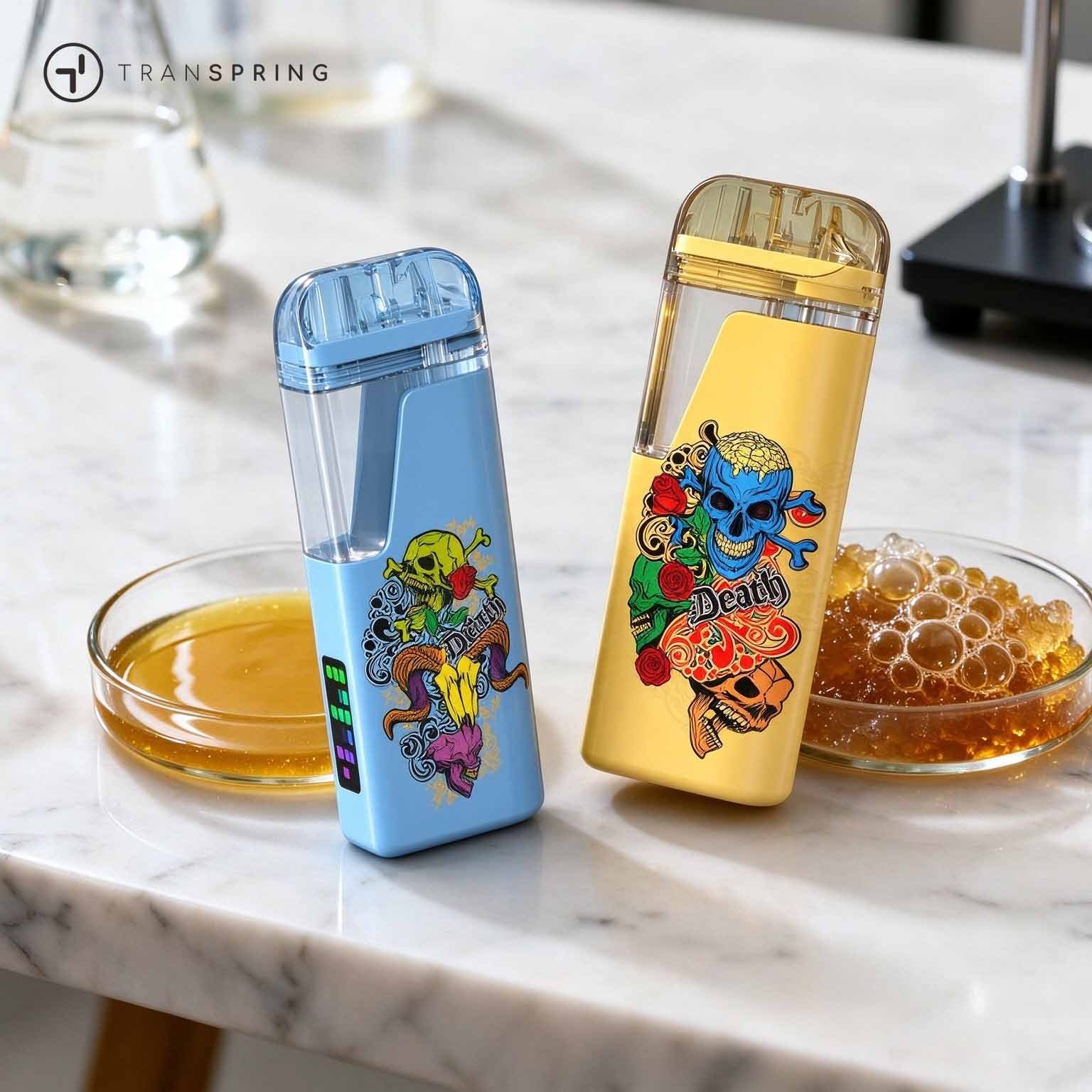
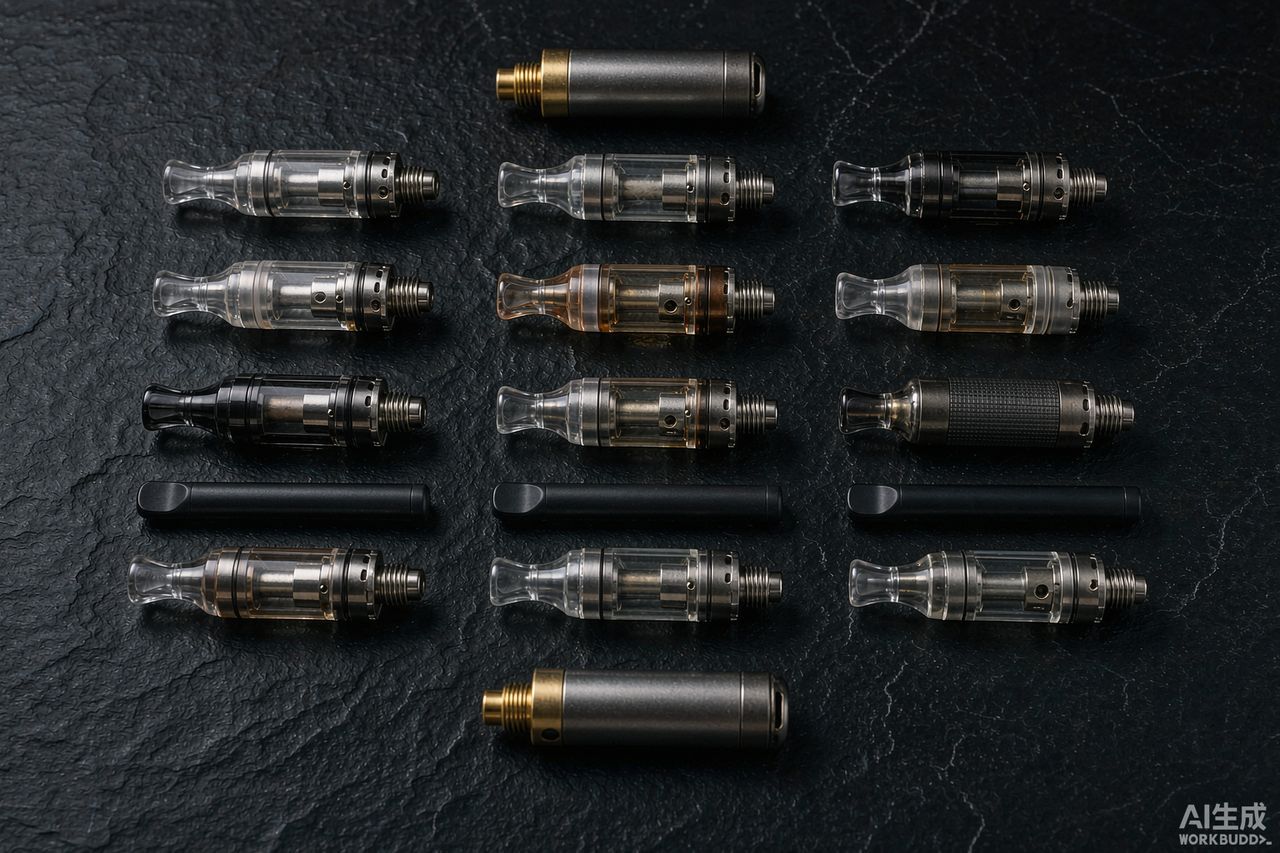
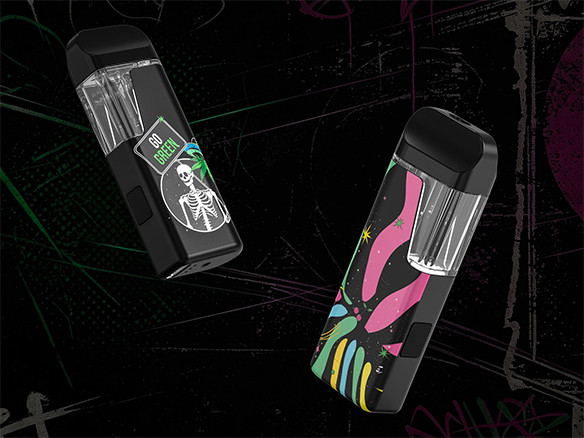
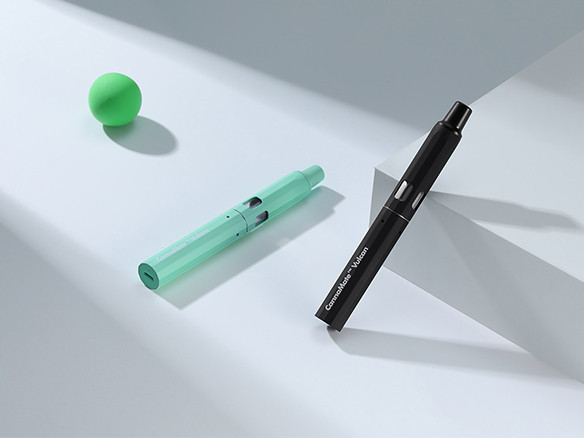
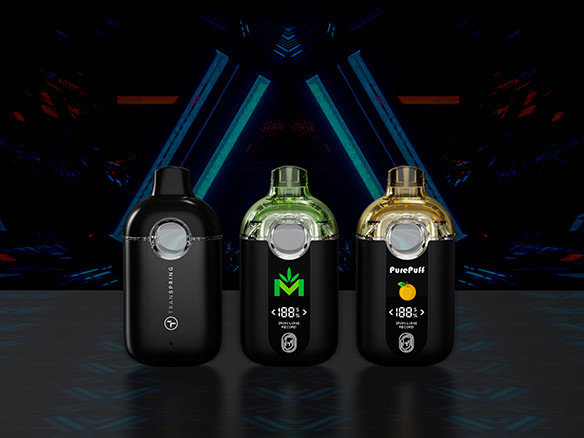
Selecting the right cannabis vape hardware for your oil is essential for consistent performance, pure flavor, efficient delivery, and customer satisfaction. Viscosity, cannabinoid profile, terpene content, and formulation type all influence how oil behaves in a device. Pairing the wrong hardware can cause clogging, leaking, burnt taste, weak vapor, or wasted product. So, what should you look at when choosing cannabis vape hardware? Start with three things: your oil, your hardware, and your target market. The short answer is no. Vape devices are built around specific oil viscosities, coil materials, and heating profiles, and cannabis oil is not interchangeable with nicotine e-liquid or with every cartridge on the market. Nicotine vape hardware is generally designed for thin, low-viscosity e-liquid. Push thick cannabis distillate or a terpene-rich live resin through that kind of wicking system, and you get clogging, weak vapor, or a burnt taste, because the wick cannot draw the oil fast enough. Cannabis-specific hardware, by contrast, is engineered with wider oil inlets, coil materials suited to cannabinoid extracts, and airflow tuned for thicker fills. Cartridge thread type matters just as much. Most cannabis cartridges use a 510 thread, which is compatible with the widest range of batteries on the market, but proprietary or magnetic connectors will only work with a matching battery. Before you finalize any oil-hardware pairing, confirm thread compatibility, oil viscosity range, and coil material against your specific formulation. A distillate blend and a full-spectrum live resin can behave very differently in the same cartridge. Before comparing any device, know exactly what is going into it. Formulation determines which coil, airflow, and inlet design will perform well, and it directly answers the question of which hardware is actually usable for your oil. Cannabis oils vary widely. Distillate is typically thinner and more stable, with high potency but fewer native terpenes. Live resin and live rosin are thicker, richer in terpenes, and more temperature-sensitive. High-terpene extracts and liquid diamonds can be highly viscous. Some formulations include cutting agents that change flow and heating requirements, while cleaner oils without MCT, VG, or other diluents demand precise low-temperature vaporization to preserve flavor and effects. Viscosity is the biggest practical factor. Thick oils need stronger, even heating and anti-clog designs with good oil intake paths. Thinner oils work in a broader range of devices but still benefit from consistent temperature control to avoid harshness. Coil design, airflow, resistance, battery output, and chamber design must align with the oil. Hardware that supports low-temperature vaporization improves cannabinoid conversion and terpene retention, while postless or multi-intake designs reduce residue and clogging. There is no single best vape for cannabis oil. The best hardware is the one that matches your formulation, your compliance requirements, and your customer's expectations. That said, a strong shortlist makes the decision easier. Transpring, a vape hardware manufacturer with extensive experience in the cannabis space, offers different products to suit different formulation and positioning needs, and you can review current specifications on the Transpring website. GLOW is a compact all-in-one cannabis vape platform designed around controlled heating and portability. Its variable heating curves allow brands to adjust the power profile according to the desired product experience. This can be useful when the goal is to balance flavor, vapor production, and oil consumption within a compact device. For brands looking for a smaller all-in-one format without giving up heating control, GLOW provides a practical starting point. LUMI combines a postless structure with a smart screen and illuminated oil window. The postless design gives the oil chamber a more open visual appearance, while the screen can display functions such as battery status, preheat, and draw information. This makes LUMI a potential fit for brands that want the hardware itself to contribute to the consumer experience and product differentiation. VULCAN is designed around a direct disposable vape experience with an emphasis on vapor production and everyday usability. For brands that want a straightforward disposable format while maintaining a strong vapor experience, VULCAN offers another hardware direction. The key is still to validate the device with the intended oil. Vapor output should not be considered separately from oil flow and heating performance. REBEL Series is positioned toward a more feature-rich disposable experience, combining smart display functionality with dual ceramic heating technology. For brands developing a flagship product, additional hardware features can create more opportunities for differentiation. The REBEL SWITCH configuration also supports multiple oil chambers, allowing brands to explore multi-flavor product concepts. For this type of product, hardware selection becomes more than a technical decision. It becomes part of the brand's overall product strategy. When shortlisting, request samples and run your own oil through each option. Check how the oil flows, whether the flavor holds through the whole cartridge, and how the hardware handles leak, clog, and burn tests. A spec sheet cannot tell you which vape is best for your oil. Only testing with your specific formulation can. The right hardware for a Californian dispensary brand is not automatically right for a European or Canadian one. Market requirements shape the decision as much as the oil does. Requirements for child-resistant packaging, heavy-metal safety, lead-free materials, labeling, and dosage differ across the United States, Canada, and Europe. Confirm that your hardware manufacturer can provide the testing documentation your market requires. Premium markets reward flavor, design, and consistency. Value-driven markets prioritize price, reliability, and volume. Decide where you compete before you choose. Common fill sizes vary by region, such as 0.5 mL versus 1 mL, and cartridge thread standards need to match the batteries your customers already own. A luxury brand needs elevated aesthetics and materials, while a budget brand needs dependable performance at a competitive unit cost. Work through these steps before you commit to a supplier, and revisit them whenever your oil, market, or product line changes. Note viscosity, terpene content, and extraction type. Compare products against your needs. Run leak, clog, flavor, and draw tests using your own formulation. Request the documentation your target market requires. Look at minimum order quantities, lead times, customization options, and after-sales support. Launch small, gather feedback, and scale once performance is proven. Steps three and four are where most hardware decisions are won or lost. A device that performs well in a catalog photo can still clog, leak, or burn once it meets a real formulation. Keep the samples that passed your tests, and hold the supplier to the same specifications on the production run. That is how a pilot batch turns into a dependable product line. Not every vape works with every cannabis oil, and there is no universal best device, only the device that is best for your specific formulation and market. Get your oil, hardware, and target market aligned, and you protect product quality, reduce returns, and build customer trust. Ready to explore your options? Visit Transpring to browse the GLOW, LUMI, VULCAN, and REBEL Series, and request samples for your own oil.
Can You Put Cannabis Oil in Any Vape?
Start With Your Oil Formulation: Viscosity Drives Hardware Choice
Oil or formulation How it typically behaves What the hardware needs Distillate Thin and stable, high potency, fewer native terpenes Standard ceramic coil, moderate airflow, reliable wicking Live resin and live rosin Thick, terpene-rich, sensitive to heat Low-temperature vaporization and precise temperature control High-terpene extracts Highly viscous, slower to flow Wider oil inlets and anti-clog intake paths Liquid diamonds Very thick, can recrystallize Even heat, strong oil intake, well-sealed chamber Clean oil without cutting agents Needs gentle heat to keep flavor and effects Temperature-accurate coil with tight tolerance 
What Is the Best Vape for Cannabis Oil?

GLOW for Compact and Controlled Performance
LUMI for Postless Design and Smart Interaction
VULCAN for Vapor-Focused Performance
REBEL Series for Feature-Rich Premium Products
Know Your Target Market Before You Order
Regulation and compliance
Consumer expectations
Fill volume and format
Brand positioning
A Practical Checklist for Choosing Cannabis Vape Hardware
Define your oil
Shortlist hardware
Test with your oil
Check compliance
Evaluate the supplier
Run a pilot batch

Final Thoughts