Vape Hardware Failure Modes: A Field Return Analysis and Prevention Guide
- Share
- publisher
- Transpring
- Issue Time
- Aug 14,2026
Summary
A field-level guide to the most common vape hardware failure modes - leaks, heater failures, battery faults and airflow problems - with a return triage table and a five-point prevention framework for cannabis vape brands.
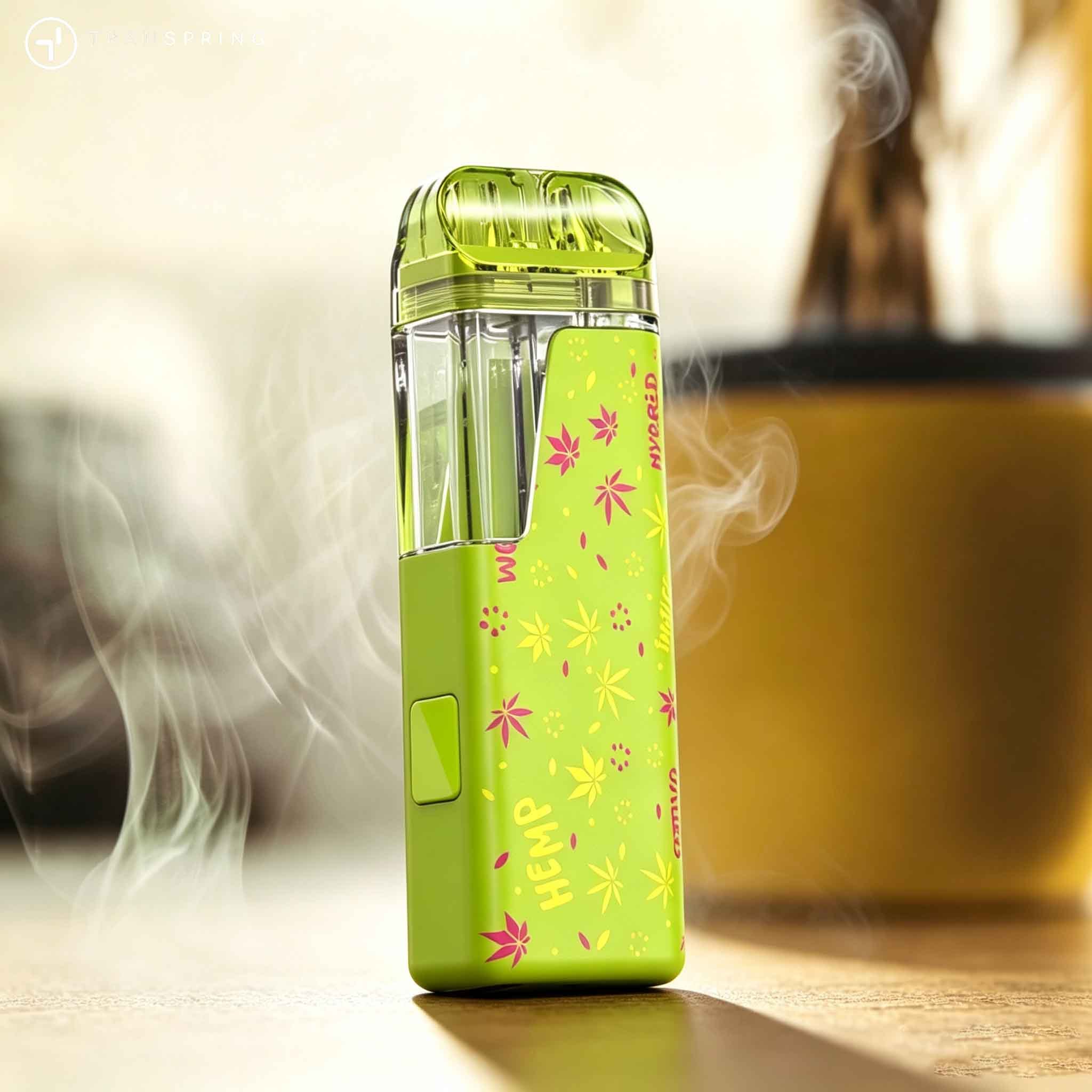
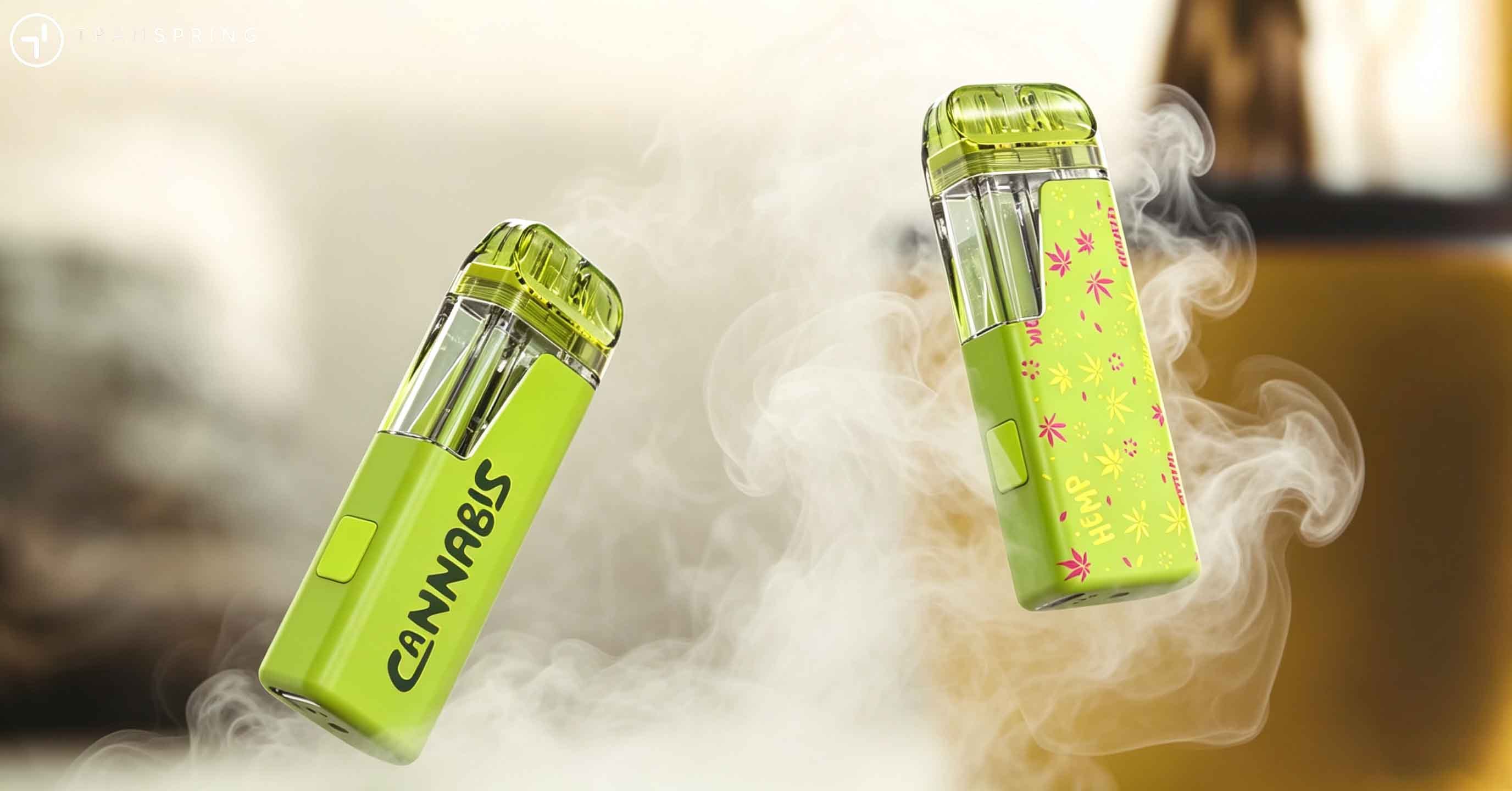
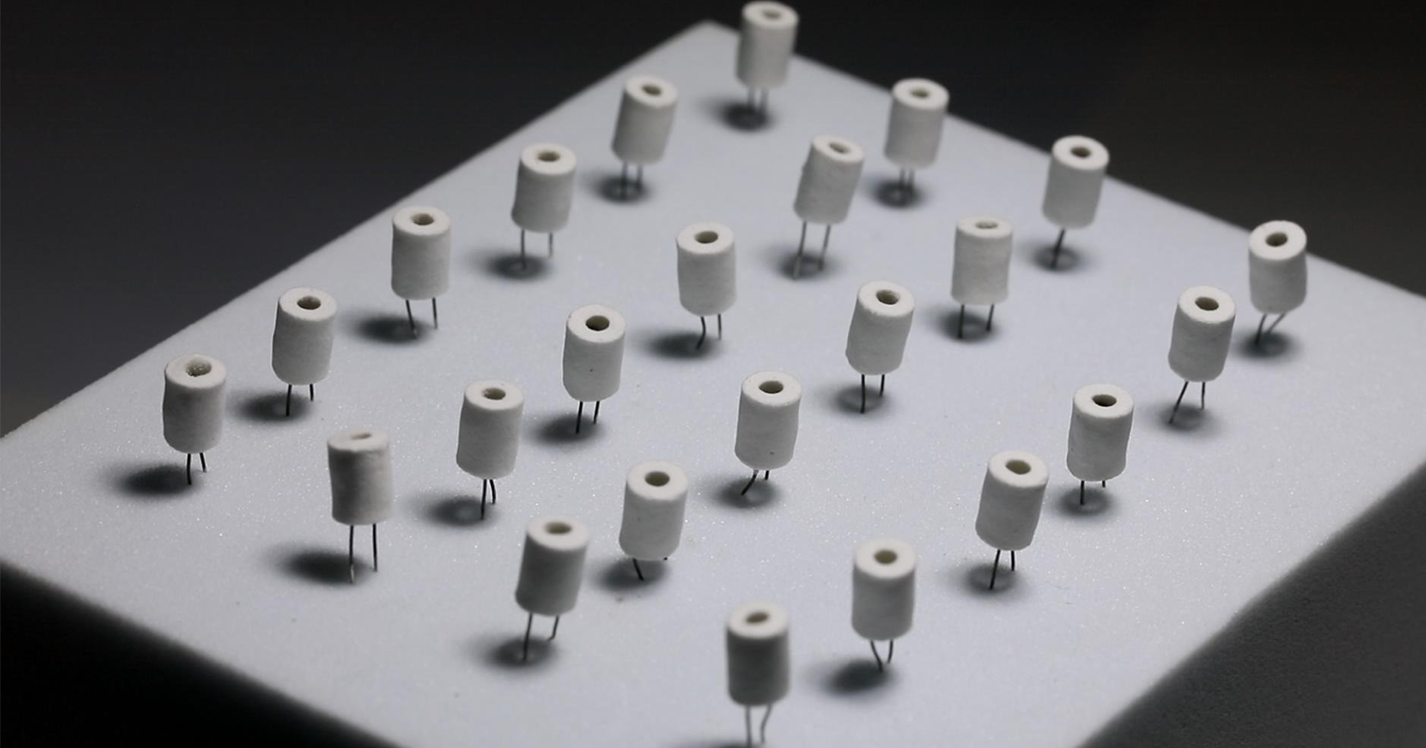
Every returned vape device is a data point. Whether a unit comes back through a dispensary counter, a distributor's quality desk, or an e-commerce return label, it tells you where a design, a process, or a supply chain decision went wrong. Most brands treat returns as a cost line instead of engineering evidence. That is a missed opportunity: field returns are the most honest feedback loop a hardware company can get. This guide distills the failure modes that repeatedly show up in vape hardware field returns, explains what each symptom usually means at the component level, and lays out a prevention framework from design through to the store shelf. When return records are categorized by symptom, a small set of failure modes accounts for most cases. Naming them precisely turns vague customer complaints into engineering questions. Leaks are the number one reason vape hardware comes back, and the failure consumers notice first, because oil is visible, messy, and sticky. The root causes are usually mechanical rather than mysterious: seal and gasket degradation, tolerance mismatch between tank and body, pressure changes during air freight, and temperature swings that expand the oil and force it past the wick or the threads. A device that passes a bench test at 25 degrees can fail on a truck in Phoenix in July. When triaging a leak complaint, ask two questions. Did it leak during transit, or does it leak during use? Transit leaks point to pressure, sealing, and packaging; use-phase leaks point to fill volume, coil saturation, or wick design. Heater failures show up as burnt flavor, weak vapor, or a device that fires but never produces usable vapor. The usual suspects are dry-fired ceramic cores, resistance drift outside the acceptable band, cracked solder joints at the coil tabs, and wick saturation problems that starve the heater during the first activation. First-hit failures deserve special attention: a device that fails on the very first puff was almost always born broken, not worn out. That points back to process control at the fill and test stations. Consistent power delivery matters as much as the core itself; a heater that sags under load produces weak vapor long before it fails completely. Battery problems fall into two groups. The first is capacity: devices that die long before the oil runs out, caused by cell tolerance, aging during storage, or firmware that never enters low-power sleep. The second is charging: units that will not charge, charge intermittently, or show a dead indicator, often traced to connector oxidation, cold solder joints on the charge port, or marginal contact spring design. Because lithium cells sit inside sealed consumer hardware, battery issues are the most safety-sensitive failure mode. Review battery return rates monthly, not quarterly. Draw-activated devices fail when the airflow sensor sticks, the diaphragm tears, or the airflow channel is blocked by debris, oil, or over-thick gaskets. Symptoms include devices that fire without a draw, devices that never fire, gurgling, and a restricted draw. In disposables, misaligned internal tubes are a frequent hidden cause: the sensor reads fine at the test bench, then fails when the user's draw pattern differs. Because the fault only appears under a real human draw, these failures are easy to miss in automated testing and need an explicit draw-simulation step on the line. A simple four-column table makes return triage repeatable and helps a brand spot patterns before they become batches. Return rates are not decided at the returns desk; they are decided months earlier. Prevention clusters around five control points. Seal geometry, material selection, and a failure mode review before tooling. Cell, ceramic core, and PCB inspection at the receiving dock. Leak testing, resistance sorting, and burn-in aging on every production line. Validated packaging, temperature documentation, and freight profiles. Clear instructions on preheating, charging, and storage. Prevention only compounds if return data flows back into engineering. Tag every returned unit with its batch code, photograph the symptom, log the failure mode, and feed the counts into a monthly review. A brand that tracks failure modes by batch can often trace a spike to a single component shipment or a single production shift. Field returns are the cheapest market research a vape brand will ever buy. Leaks, heater failures, battery faults, and airflow problems are not random bad luck: each one has a root cause, and each root cause has a prevention lever. Brands that triage returns rigorously, feed the data back into design and manufacturing, and validate across temperature and transit conditions, cut their return rates and their cost of quality faster than they expect. For hardware built with these controls in place, talk to our engineering team directly. You can also read more industry insights on our blog.Vape Hardware Failure Modes: A Field Return Analysis and Prevention Guide
The failure modes that dominate field returns
Leaking and seeping oil
Field note
Ceramic core failures
Battery and charging faults

Activation and airflow problems
Reading the returns: a triage table
Prevention: where return rates are decided
Design
Incoming quality
Process
Transport
End user

Close the loop with a feedback system
Field returns are engineering intelligence