Why Cannabis Vape Hardware Costs Keep Rising
- Share
- publisher
- Transpring
- Issue Time
- Aug 18,2026
Summary
Why are cannabis vape hardware prices going up in 2026? Two structural forces, battery cell materials and PCB electronic components, are pushing costs higher by roughly $0.08 to 0.12 per device. This breakdown covers iron phosphate (+50%), the new lithium battery consumption tax, AI-driven storage demand, and the MLCC and CCL supply crunch, with practical advice for cannabis vape brands.

If you've noticed your cannabis vape hardware supplier quietly raising prices this year, you're not imagining it. Behind the scenes, two separate but interlocking cost shocks are pushing through the entire vape hardware supply chain in 2026: a sharp run-up in battery cell material costs, and a parallel squeeze on PCB electronic component costs. Both are being amplified by one powerful backdrop, the global AI build-out.
For cannabis vape brands and distributors, this is no longer a distant supply-chain story. It is already visible in new quotes. This brief breaks down the numbers behind the increase, what they mean for your margins, and how to plan your buying strategy for the next two years.

1. Battery Cell Material Costs, the Biggest Cost Driver
The battery cell is the single largest cost item in most cannabis vape devices, so anything that raises cell prices moves your bill of materials directly. Four pressures have combined through 2026 to push cell costs up by double-digit percentages year over year.
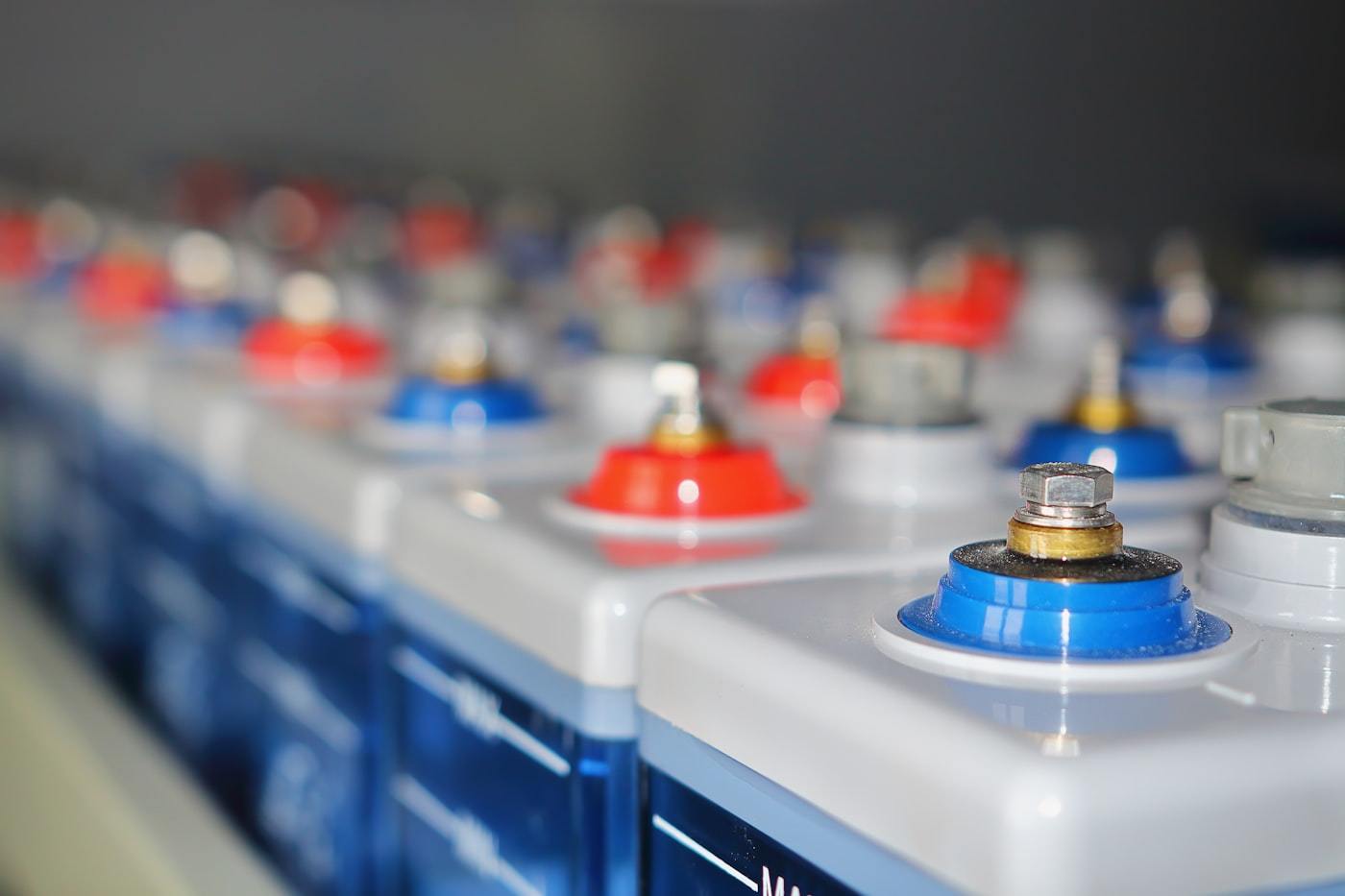
1.1 Iron Phosphate Prices Surged +50% in H1 2026
Iron phosphate, the key precursor for LFP cathode material, climbed from roughly ¥10,000/ton (≈US$1,400) at the start of 2026 to about ¥15,000/ton (≈US$2,100) by mid-year, a rise of over 50% in six months. LFP cathode prices are up more than 80% year over year, with mainstream quotes now at ¥55,000 to 60,000/ton (≈US$7,700 to 8,500) as sulphur, phosphoric acid and ferrous sulphate costs climb in tandem.
1.2 Copper Foil Processing Fees Keep Rising
Copper foil, the current collector inside every cell, has been climbing steadily since Q4 2025. Industry operating rates reached 90.31% in May 2026, up 18.8 percentage points year over year, and SMM expects China's lithium-battery copper foil supply-demand balance to run a slight deficit through 2026, keeping premiums firm.
New lithium battery consumption tax: 2% from Sep 2026, 4% from Sep 2027
China's Ministry of Finance has ended the tax exemption in place since 2015. A 2% consumption tax on lithium-ion batteries takes effect 1 September 2026 and rises to 4% from 1 September 2027. It adds a structural tax layer on top of material inflation. Sodium-ion, solid-state and fuel cells stay exempt through end-2028.
1.4 AI-Driven Storage Demand Competes for the Same Cells
AI data centers have turned energy storage into a hard requirement, and that demand absorbs cell capacity that consumer electronics used to rely on. US developers installed a record 9.7 GWh of storage in Q1 2026 (+32% YoY), and UBS expects global energy-storage demand to grow about 40% in 2026. Google and Meta alone have signed deals for tens of thousands of MWh to power AI data centers. That capacity now competes with consumer cells for the same production lines.
2. PCB Electronic Component Costs, the Second Cost Block
The control board is typically the second-largest cost item in a cannabis vape device, and here the story is even more directly about AI.
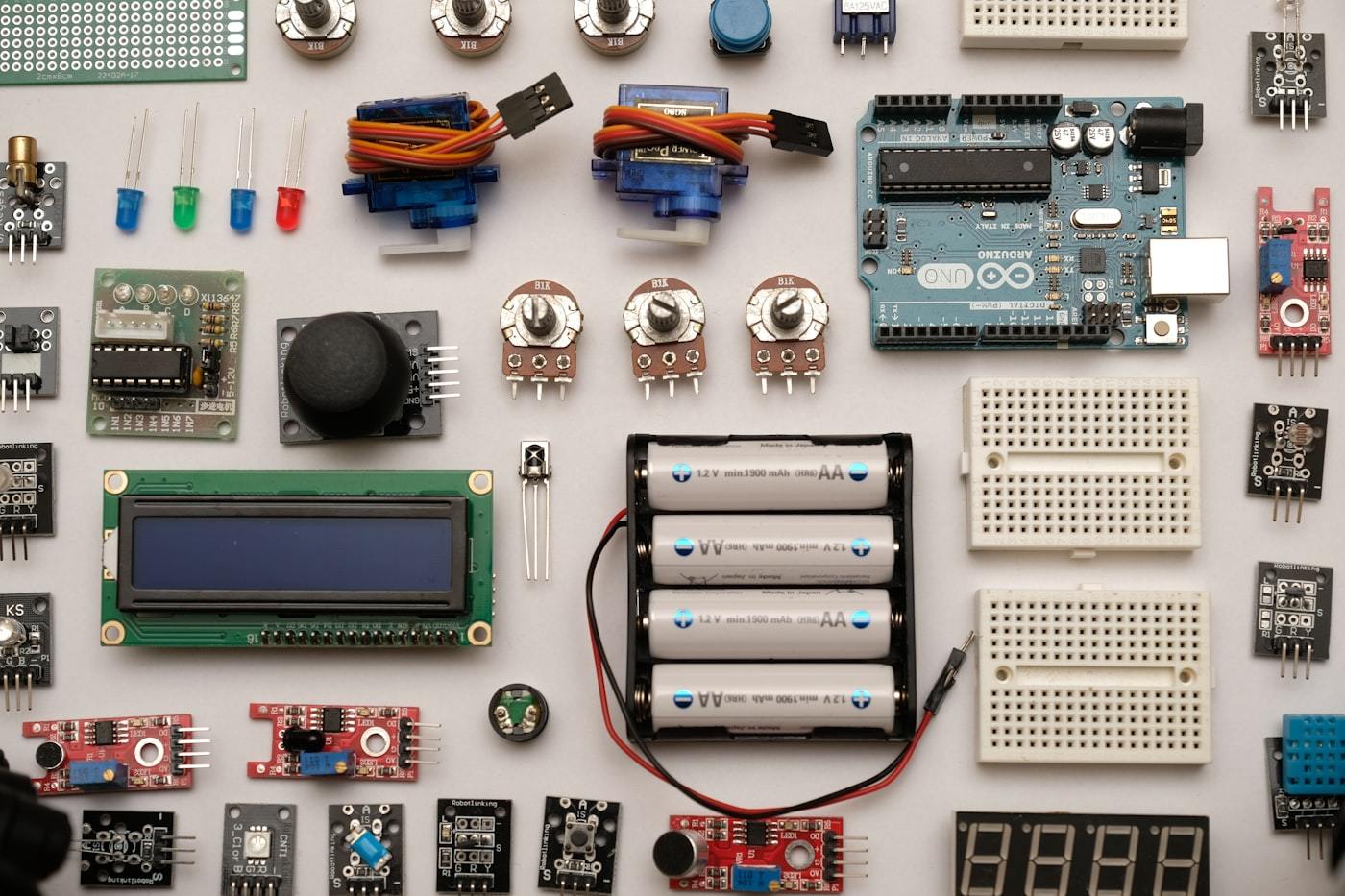
2.1 The AI Server Siphon Effect
AI servers consume roughly 5 to 7× more copper-clad laminate (CCL) than conventional servers, diverting scarce capacity and components away from consumer electronics. High-end MLCCs are in acute shortage: AI-server orders are running at 2× Murata's available capacity, spot prices for high-capacity grades are up 50 to 60%, and Murata, Samsung Electro-Mechanics and Taiyo Yuden have all raised prices, with lead times stretching to 12 to 16 months.
2.2 Upstream Core Material Shortage
Glass-fiber electronic cloth has surged 100 to 165%. CCL makers Resonac and Mitsubishi Gas Chemical (MGC) raised all product series, including resin-coated copper foil, CCL and bonding sheets, by up to 30% effective 1 April 2026. Korea's CCL import prices hit a record US$20,728/ton in March 2026, up 74.5% YoY, as six core materials (spherical silica, high-end glass cloth, ABF substrates, high-end resin, drill bits and high-end copper foil) all fall into shortage.
What the shortage means for cannabis vape PCB components
- MLCC: orders at 2× capacity, high-capacity spot +50 to 60%
- CCL: +30% across all series from 1 Apr 2026
- Glass-fiber cloth: +100 to 165%
- Lead times: 12 to 16 months on key passives
Net impact:
The combined pressure from battery cells and PCB electronics could add approximately $0.08–$0.12 to battery-related costs and around $0.06 to PCB and electronic component costs per device, depending on product configuration and sourcing conditions. And these increases should not necessarily be viewed as short-term fluctuations. Battery materials, energy-storage demand, AI infrastructure, electronic-component shortages, and new taxes are all structural factors. Some may ease over time, but the combination suggests that hardware manufacturers will continue to operate in a more cost-sensitive environment.
How Cannabis Vape Brands Should Respond

The answer is not necessarily to choose the cheapest hardware. Instead, brands may need to take a more strategic approach to hardware sourcing.
First, improve product planning. Avoid unnecessary hardware specifications that increase component costs without creating meaningful value for consumers.
Second, evaluate suppliers based on supply-chain stability. A slightly lower unit price does not necessarily create savings if the supplier faces inconsistent component availability, longer lead times, or frequent price adjustments.
Third, consider long-term procurement planning. When battery and electronic-component markets are tight, better demand forecasting and earlier procurement can help reduce exposure to sudden supply disruptions.
Finally, look beyond unit price. Hardware reliability, compatibility, testing, customization capabilities, and production consistency can all affect the real cost of a cannabis vape product. A device that requires fewer returns, replacements, or quality interventions may deliver better overall economics even if its initial purchase price is not the lowest.
Transpring has been developing cannabis vape hardware for more than a decade, working directly with cell and PCB suppliers to keep BOMs competitive through exactly this kind of market. If you are planning your next product cycle, our product range and engineering team are a good place to start.
Bottom line: For brands and manufacturers in the vape hardware space, the message is straightforward: this isn't a temporary blip to wait out. Cannabis vape hardware costs are rising because of structural forces. As these pressures continue, brands that treat hardware sourcing as a strategic part of their business, rather than simply a purchasing decision, will be better positioned to protect margins, maintain product quality, and manage growth in an increasingly competitive market. Plan budgets with a buffer, secure supply early, and work with a partner who can manage the BOM for you.