What Is the Best Vape Hardware for Rosin?
- Share
- Issue Time
- Dec 5,2025
Summary
This guide explains why rosin behaves differently from other extracts, what kind of vape hardware can properly handle it, and how brands can choose devices engineered specifically for solventless excellence.
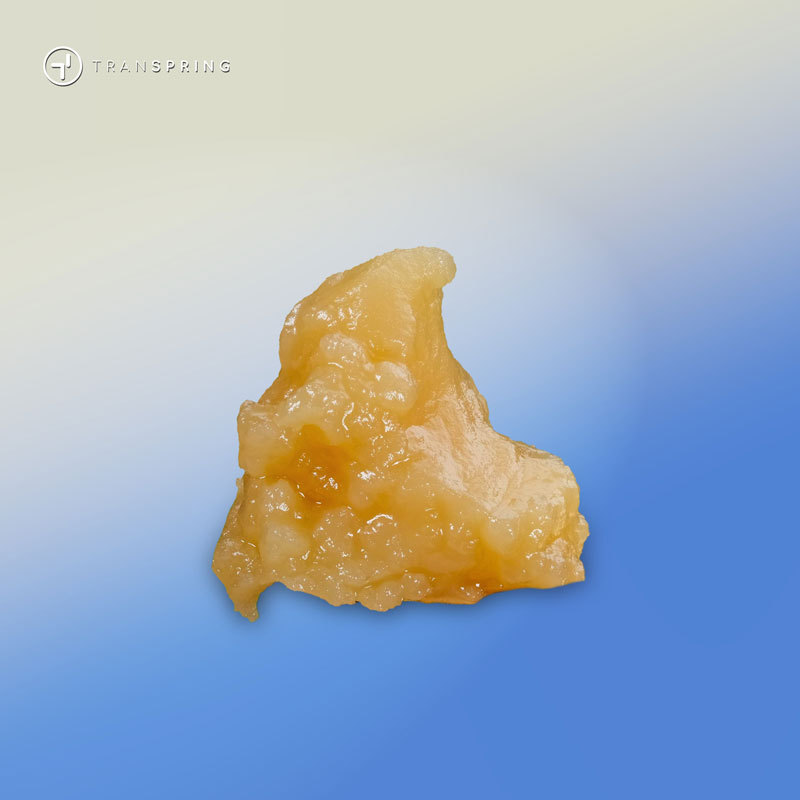
If you’ve ever tried live rosin, you already know it stands on a completely different tier from most cannabis extracts. Smooth, fragrant, and intensely flavorful, it is often described as the “purest possible” expression of the plant. But this purity also makes it one of the most demanding oil types to vape. Not every device can handle rosin — and using the wrong hardware can lead to clogging, burnt flavors, and the most painful outcome of all: wasting the most expensive oil in the vape market.
This guide explains why rosin behaves differently from other extracts, what kind of hardware can properly handle it, and how brands can choose devices engineered specifically for solventless excellence.
1. What Makes Rosin Unique — and Why It Became the Luxury Oil of the Vape Market
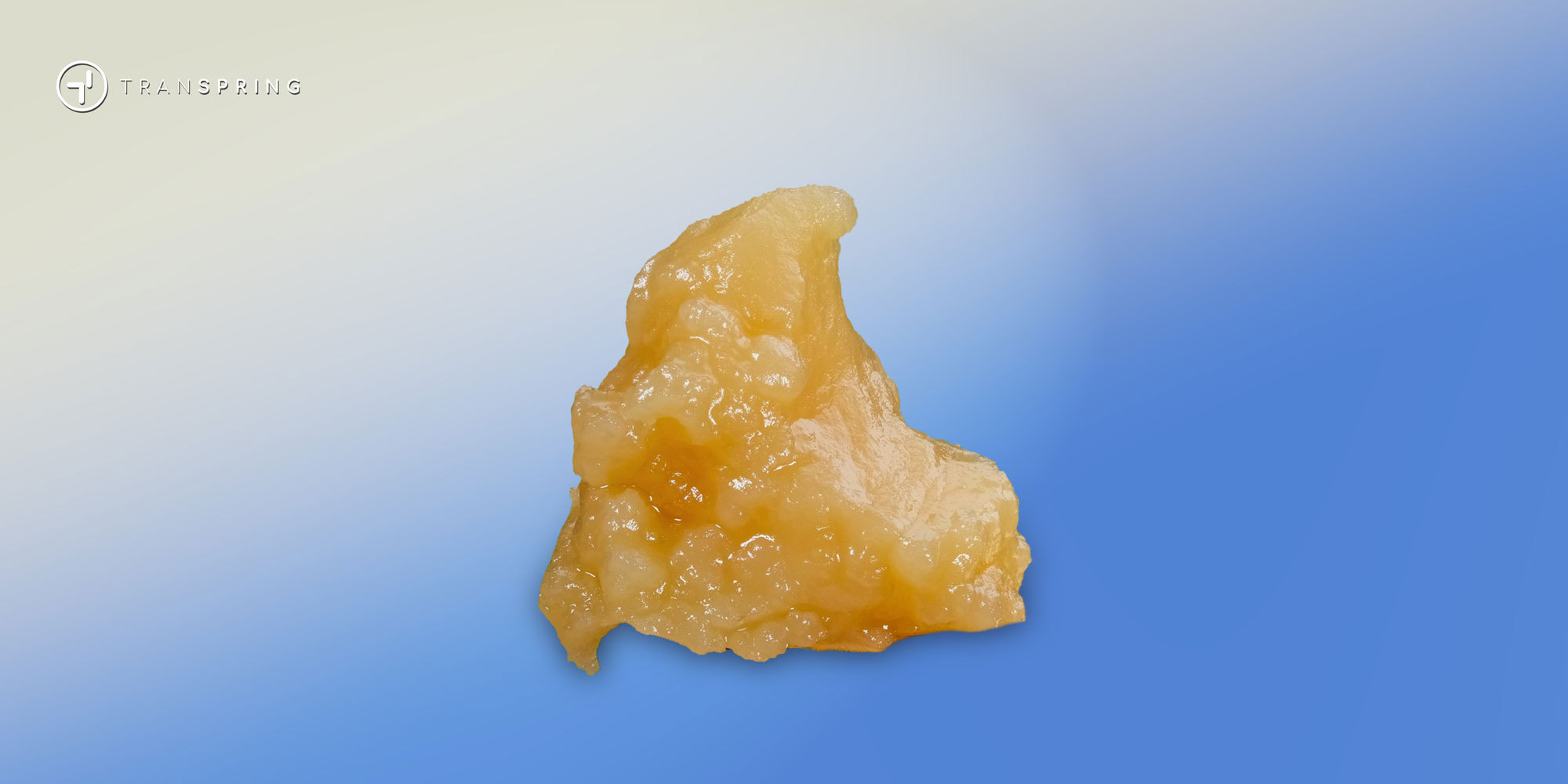
Live rosin didn’t become mainstream until around 2018, when solventless extraction began capturing the attention of connoisseurs and premium brands. Unlike distillate or BHO concentrates, live rosin is produced without any chemical solvents. The process is labor-intensive and artisanal:
Fresh or flash-frozen flower is agitated in ice water to create bubble hash.
The hash is collected, carefully dried, and then pressed at low heat to release a thick, golden, terpene-rich oil.
This simple process — ice, water, pressure — preserves the plant’s most delicate compounds better than any solvent-based extraction can. The result?
• Maximum terpene retention
• A cleaner chemical profile
• A natural aroma so pure that people often joke you could eat it
• A sensory experience closest to the living plant
Because it is solventless, small-batch, and incredibly labor-intensive, live rosin naturally developed a luxury positioning. Today, rosin vapes are marketed as the “ultra-premium tier,” and consumers are willing to pay a premium for the unmatched flavor and purity.
Why Rosin Is Difficult to Vape
Yet the very qualities that make rosin special also make it challenging for vaporizers.
Live rosin contains natural lipids, plant oils, and waxes — compounds that are normally removed in distillate or processed out during solvent-based extraction. These elements make rosin thicker, more complex, and more reactive to heat. Inside traditional ceramic cores, they can:
• Clog micro-channels
• Prevent consistent wicking
• Leave residue that causes burnt hits
Rosin is also extremely sensitive to temperature. Too high and the terpenes degrade instantly; too low and the oil refuses to move.
This leads to the central question of the article: Why isn’t every vape suitable for rosin?
2. What Should the Best Vape Hardware for Rosin Include
A rosin-optimized vape device should include:
• Precise and stable temperature control
• Unique ceramic design
• Larger airflow channels
• Food-grade, non-reactive materials
• And overall engineering specific to solventless oils
3. What Is the Best Voltage for Vaping Live Rosin?
One of the biggest misconceptions is that voltage alone determines how well rosin vapes. In reality, voltage only matters because it controls temperature, and temperature determines everything about how rosin behaves.
Rosin Performs Best at Lower Temperatures
Live rosin’s terpene profile is extremely volatile, so it vaporizes beautifully at lower ranges.
High temperatures:
• Destroy top-note terpenes
• Cause harshness
• Encourage lipids and waxes to burn
• Increase residue buildup on the ceramic core
Low-temperature vaporization preserves:
• Aroma
• Smoothness
• Flavor purity
• The “fresh press” sensation consumers expect
• Fixed Voltage: The Outdated Approach
Traditional vape batteries output a fixed voltage (e.g., 3.3V), but inside the heating coil, the temperature gradually keeps rising. This causes:
• Temperature runaway
• Harsh final seconds
• Fast terpene degradation
• Inconsistent flavor across hits
Fixed voltage simply cannot maintain the narrow thermal window rosin demands.
Voltage Curves: The Modern Solution
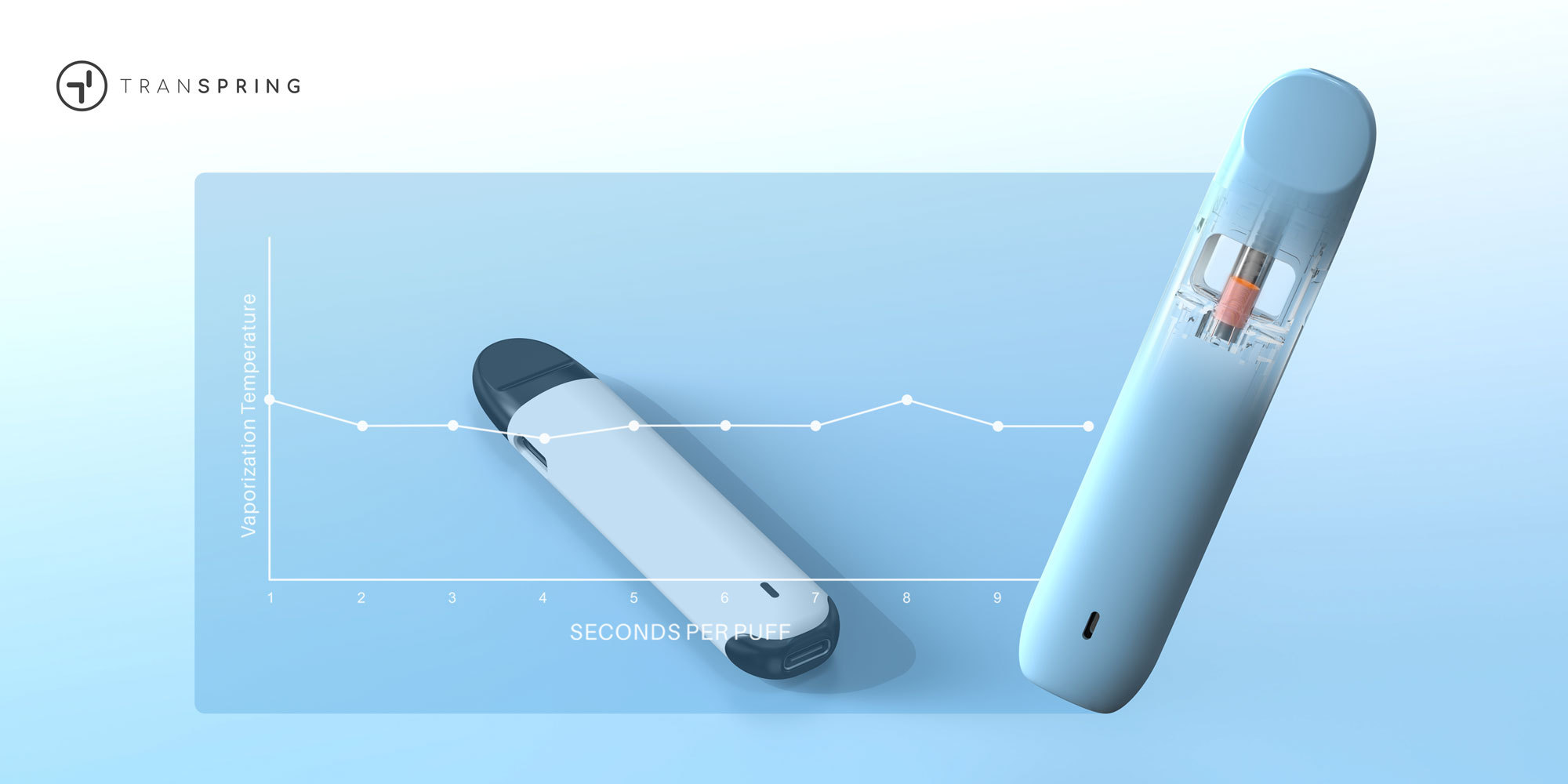
A voltage curve or custom output curve solves this problem completely. Instead of pushing constant power, the battery can:
• Start with a low, gentle preheat
• Rise gradually to the target temperature
• Hold that temperature with minimal fluctuation
• Cool at the right time to prevent overheating
This is the technology behind truly premium rosin experiences. It allows engineers to tailor power delivery down to the second, giving brands the ability to design:
• High-flavor modes
• Smooth-hit modes
For live rosin, this difference is transformative — flavor stays pure, residue stays minimal, and every puff feels consistent.
4. Why Rosin Needs a More Advanced Ceramic Core
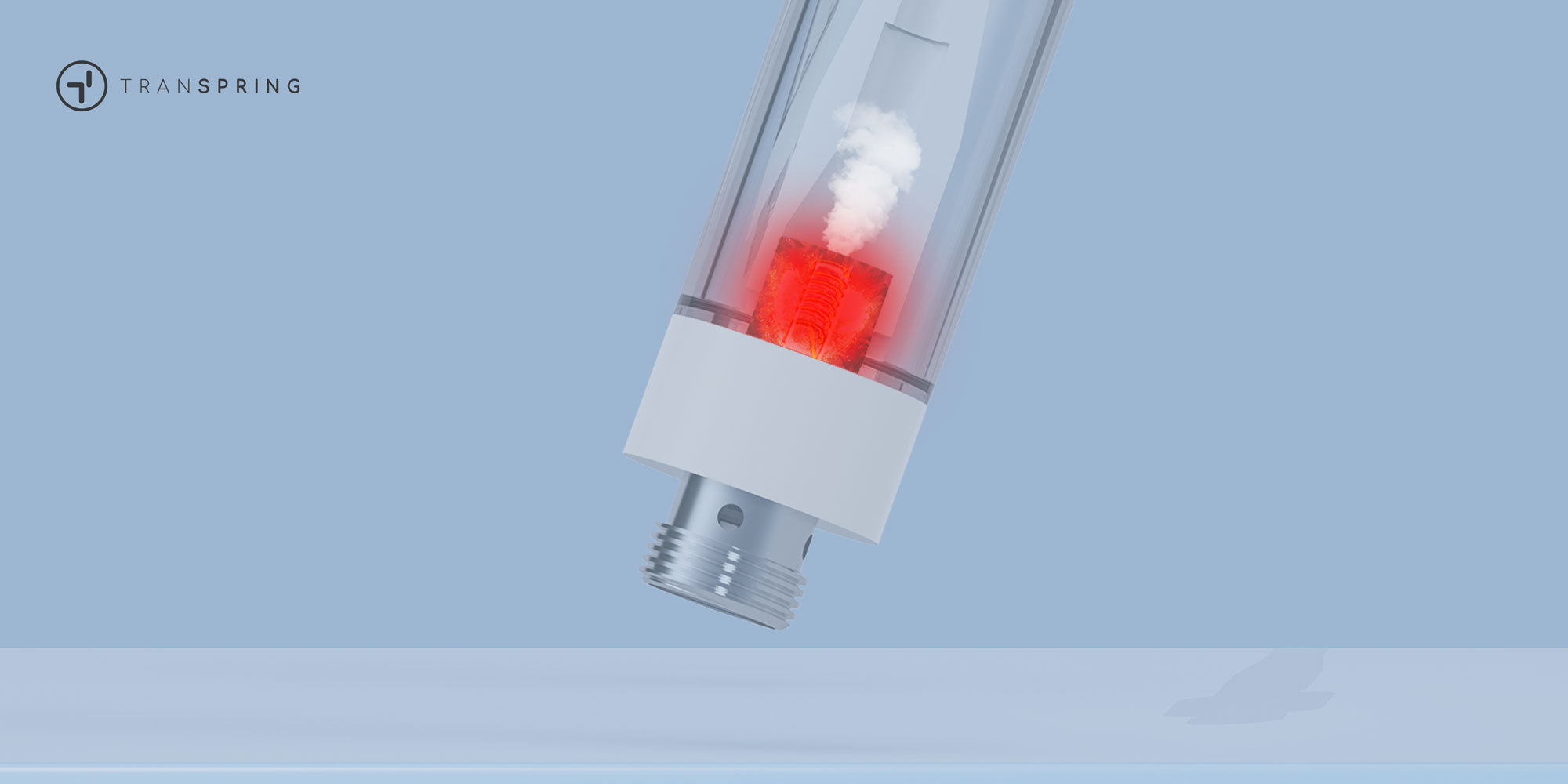
Rosin is thicker, richer, and more complex than any other extract used in vape hardware. This means its ceramic core must be engineered differently.
• Micro-Porous Structure
Special pore networks reduce surface tension, allowing rosin to wick smoothly despite its thickness.
• Higher Thermal Efficiency
Low-temp heating requires ceramics that heat fast and evenly without hot spots.
•Larger Heating Area
A larger surface area equals:
More even heating
Better flavor fidelity
Lower risk of burning
Thicker yet smoother vapor
Rosin’s density demands this broader contact zone so the oil gently melts, spreads, and vaporizes as intended.
5. Why Rosin Needs a Larger Airflow
Rosin vapor is denser and contains more natural compounds than distillate vapor, so a larger airflow is essential.
• Prevents Condensation Buildup
Narrow airflow paths easily collect condensed vapor and cause clogging.
• Stay Smooth
Greater airflow helps:
Prevent oil from solidifying near the mouthpiece
Maintain consistent vapor volume
6. Why Food-Grade Materials Matter for Rosin
Live rosin’s flavor is incredibly clean and delicate. To preserve its purity, hardware must use non-reactive, food-grade materials—including ceramics, stainless steel, PCTG, and glass—that do not release impurities or alter the taste under heat.
These materials ensure:
• No chemical interaction
• No flavor contamination
• Pure terpene expression
7. Transpring Hardware That Excels with Rosin
Transpring’s R&D is deeply rooted in handling thick, terpene-rich, solventless oils. Among its portfolio, the following models are the most suitable for rosin—validated by real market performance.
• VULCAN Disposable
Designed for thick oils
Wide airflow system
High-efficiency ceramic core
Stable output
Excellent flavor preservation
Ideal for premium rosin disposable SKUs.
• TWINX BOX — Premium Rosin Disposable
No center post design for a cleaner vapor path
Dual airflow layout for smoother draws
Dual-sided heating ceramic core (cotton-free)
Ideal for controlled low-temperature vaporization
Specially engineered for thick, complex oils
This structure makes it exceptionally powerful for solventless flavor delivery.
• A54 Full-Ceramic Cartridge
Full ceramic vapor path
Cotton-free ceramic core optimized for rosin
Strong anti-clog performance
Food-grade materials throughout
Highly stable and widely validated in solventless applications.
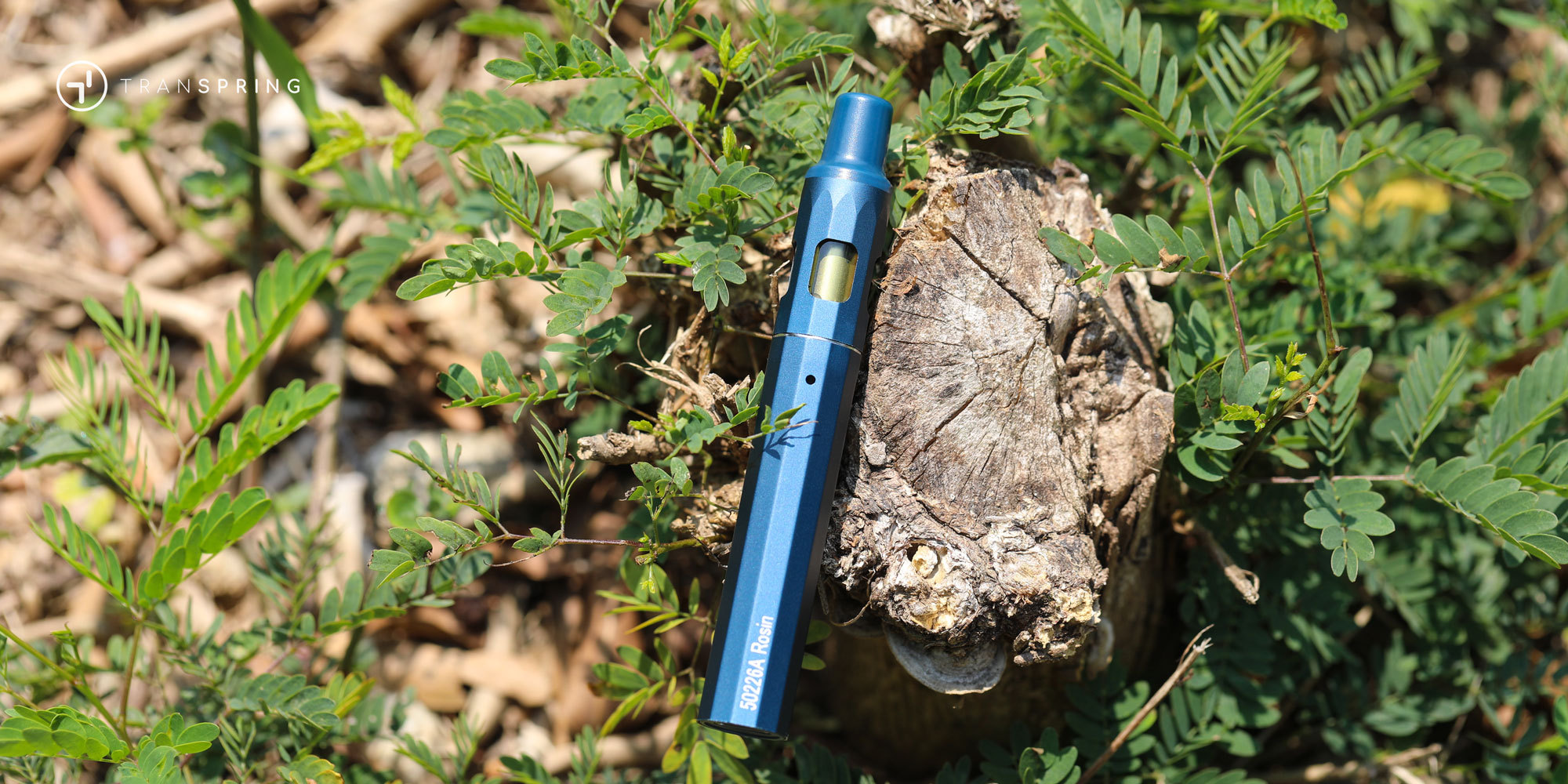
Live rosin is one of the most extraordinary cannabis extracts ever created—but it demands hardware capable of respecting its purity, flavor, and natural complexity. The right device doesn’t just “handle” rosin—it elevates it.
Transpring has spent years engineering devices specifically for thick, terpene-rich oils—and the results speak for themselves. With solutions like VULCAN, TWINX BOX, and the A54 full-ceramic cartridge, brands can confidently create solventless products that perform consistently, taste incredible, and meet the expectations of the most discerning connoisseurs.
Live rosin is premium. Your hardware should be too.