Common Testing Practices of THC Vape Pen That Could Become Major Risks in Your Mass Production
- Share
- Issue Time
- Dec 26,2025
Summary
Today, we will analyze the key points you must pay close attention to during your THC vape pen sample testing.
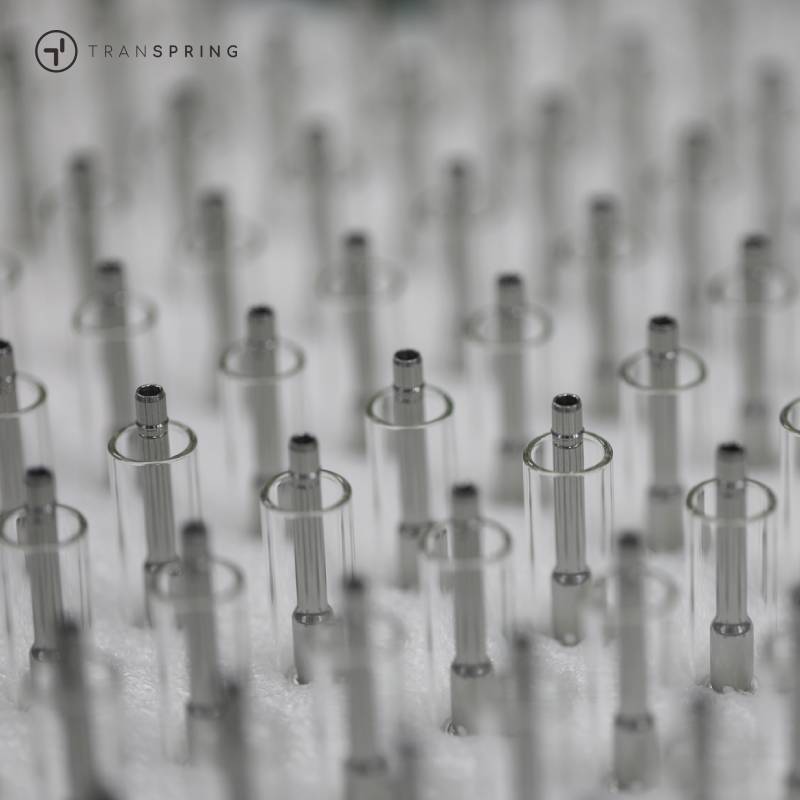
Before placing a large order for THC vape pen products, most customers will first take a small number of samples to test compatibility with their oil. However, based on our research, many cannabis oil brands still overlook several critical steps during the sampling stage. These missing steps often become hidden risks that can lead to serious quality issues during mass production.
Today, we will analyze the key points you must pay close attention to during sample testing.
1. Sample Size Is Too Small to Reveal Real Risks
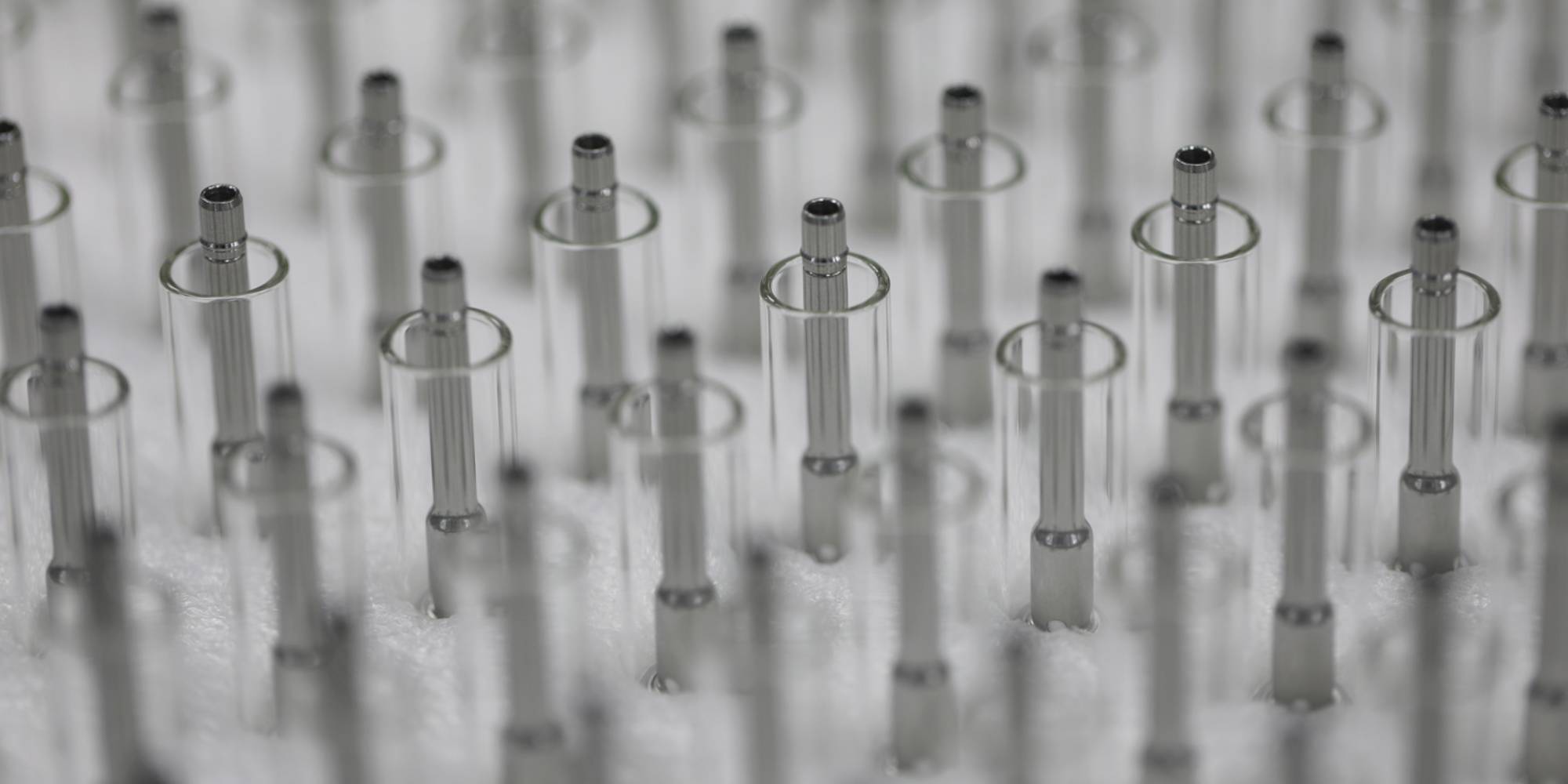
When sourcing samples from a vape supplier for the first time, the quantity is usually only 5–10 units. Many customers proceed directly to mass production once these few samples pass testing. However, this sample size is far too small to reflect real performance in large-scale manufacturing.
Both THC oil formulation and vape hardware production naturally involve certain tolerances in mass production. For example, if the defect rate of a specific oil and device combination is 5%, testing only 5–10 units is statistically unlikely to reveal the issue.
Recommendation:
After the initial samples pass testing, we strongly recommend ordering an additional 50–100 units (or more) for secondary testing. This better simulates real production conditions and significantly reduces the risk of mass defects.
2. Hand-Filled Samples vs. Machine-Filled Mass Production
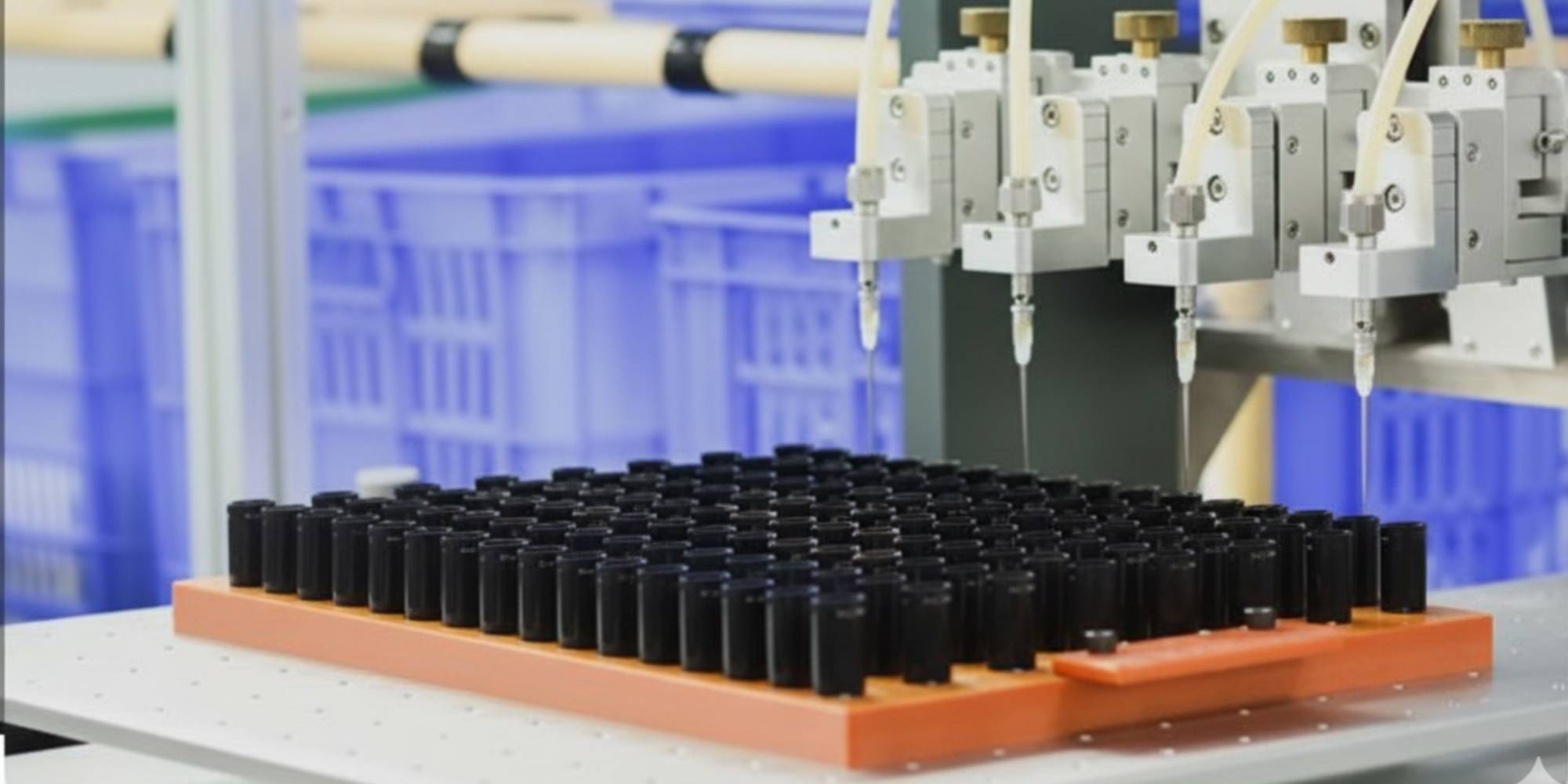
During sample testing, many users choose hand filling due to the small oil volume required. However, during mass production, machine filling is used directly without proper validation under the same conditions.
There is nothing inherently wrong with either hand-filling or machine-filling. The real risk lies in the differences in time control and process rhythm between the two methods. For example:
* With hand filling, sealing the mouthpiece within 2–3 minutes may cause no issue at all.
* But machine filling of 50–100 units at once may take 5–10 minutes.
* If your oil starts leaking or clogging after being left unsealed for more than 5 minutes, this will lead to a high defect rate during mass production.
Recommendation:
Before formal mass production, be sure to conduct a pilot production filling test using the same machines, timing, and workflow as real mass production, to fully verify process stability.
3. Only Some Oils Are Tested, While New Oils Are Added in Mass Production
Different THC oils vary significantly in formulation, such as:
* Different terpene content
* Different oil types (distillate, live resin, sauce, etc.)
* Different viscosity, flow rate, and vaporization characteristics
Whenever oil formulations change, vape structure parameters (such as airflow hole diameter, wattage, wick type, etc.) often need to be adjusted accordingly to maintain proper performance.
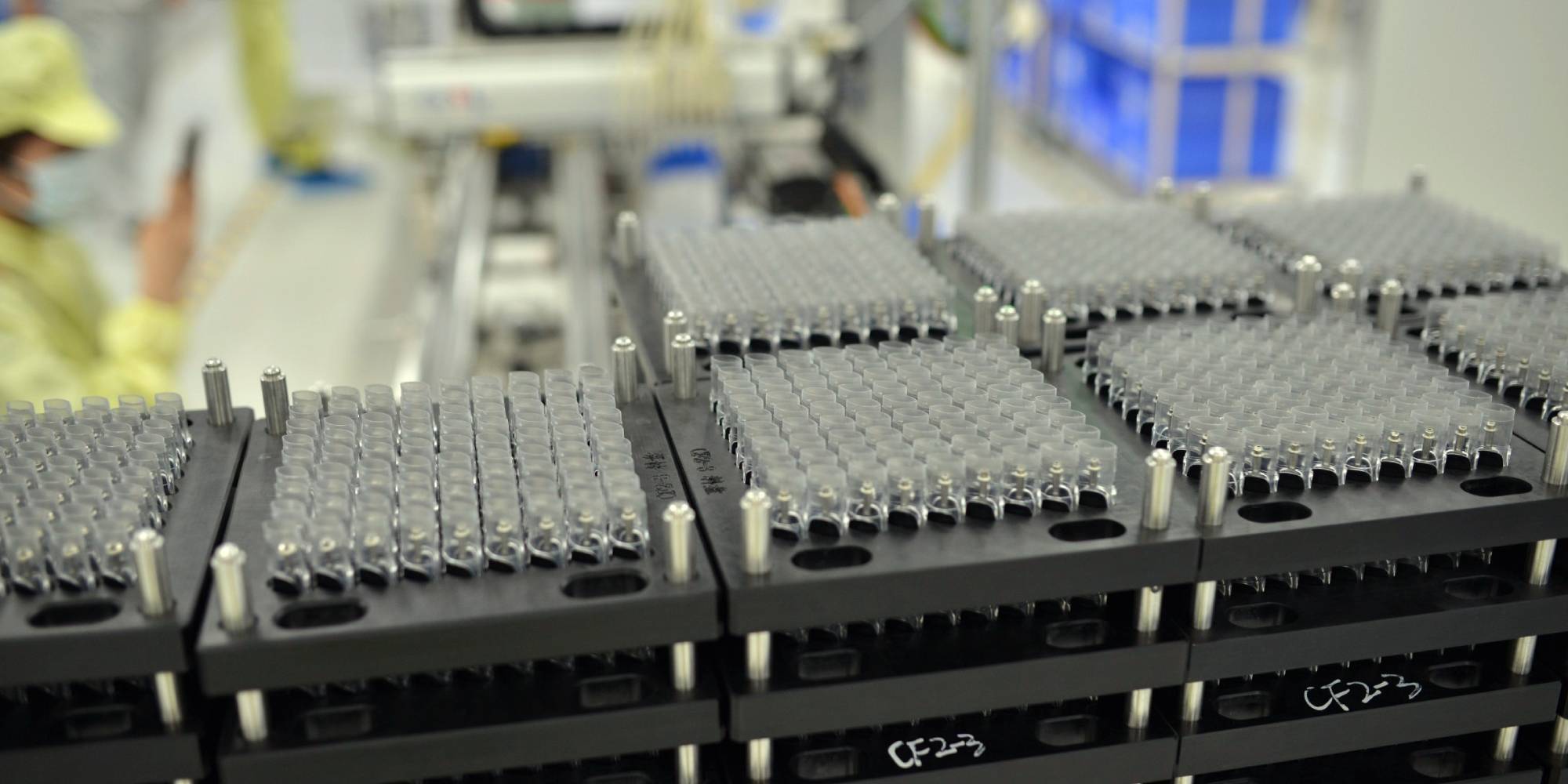
If untested oils are directly introduced into mass production, the risk of serious issues increases significantly, including leakage, clogging, burnt taste, and inconsistent vaporization.
Here is an extreme but illustrative example:
You tested Oil A (a distillate with 2% terpene content) using a device with a 2.0mm oil inlet aperture size at 9 W, and everything performed well.
However, during mass filling, you also introduce a live resin sauce with 15% terpene content. In this case, there is a very high probability that leakage, clogging, and burnt taste may occur simultaneously.
Even without such extreme changes, smaller variations—such as minor terpene content adjustments or oil type changes—can still create serious stability risks.
Recommendation:
Any change in oil formulation, even within the same product line, requires a new compatibility test with the vape device before entering mass production.
Conclusion
Sample testing is a critical foundation for mass production stability. Ignoring these risk factors does not guarantee failure—but once problems occur, they are often large-scale and irreversible.
By standardizing your testing process, increasing sample size, aligning filling methods, and ensuring all oil formulations are fully tested, you can dramatically improve the overall safety and stability of your mass production.