The Hidden Power of Terpenes: What Makes Your Cannabis Vape Experience Unique
- Share
- Issue Time
- Feb 7,2026
Summary
Terpenes are aromatic compounds in cannabis that determine vape flavor and therapeutic effects, though extraction removes them requiring careful reintroduction at 5-10% concentration; these natural molecules like limonene and linalool provide benefits beyond taste through the entourage effect, enabling personalized vaping experiences tailored to individual preferences and needs.
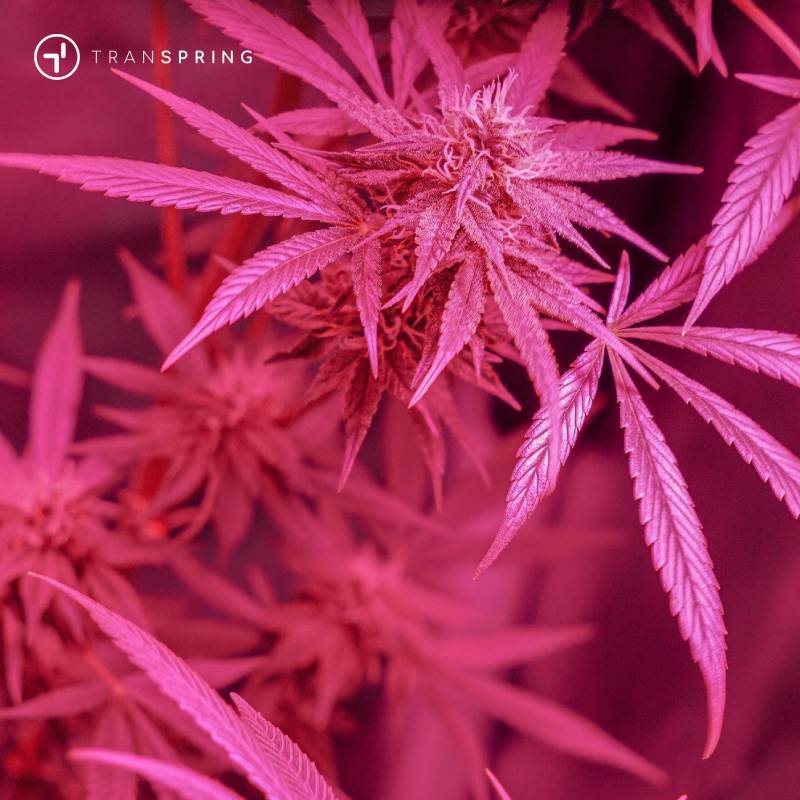
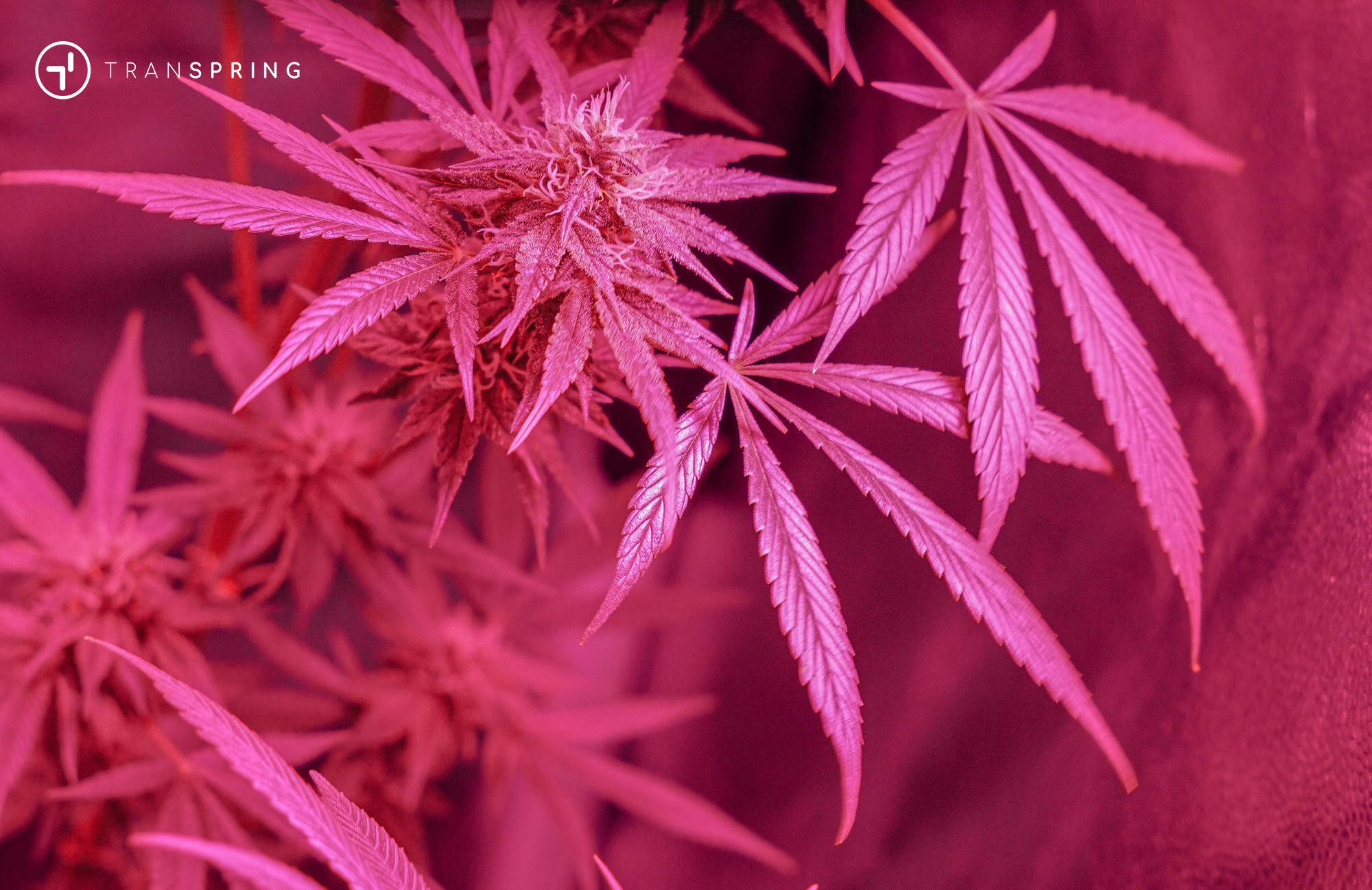
If you've been exploring the world of cannabis vaping, you've probably heard people talking about "terps." At first, it might sound like just another buzzword in an industry full of them. But here's the thing—terpenes are actually one of the most fascinating and important aspects of what makes each vaping experience different. This article break down why these little compounds deserve your attention.
What Are Terpenes?
Think of terpenes as nature's flavor and aroma architects. They're organic compounds found throughout the plant kingdom, not just in cannabis. Ever noticed how wine enthusiasts swirl their glasses and talk about "floral notes" or "hints of citrus"? That's terpenes at work in grapes. The calming scent of lavender? Terpenes. That fresh minty smell? You guessed it—more terpenes.
In the plant world, these compounds serve important functions. Some help ward off pests and predators, while others attract pollinators. But for us humans, they create the sensory experiences we associate with different plants and products.
Cannabis plants are particularly rich in terpenes, containing over 100 different varieties. Each strain has its own unique combination, which is why Lemon Kush smells and tastes completely different from Blue Dream, even though they're both cannabis.
The Extraction Challenge
When manufacturers extract oil from cannabis flowers to create vape cartridges, they face a problem. The extraction process typically uses ethanol or other solvents to separate the oil from the plant material. While this effectively captures the cannabinoids like THC and CBD, it unfortunately strips away most of the terpenes in the process.
This creates a dilemma. Without terpenes, the oil loses much of its natural character—the distinct flavors and aromas that make each strain special. It's like making orange juice and accidentally filtering out everything that makes it taste like oranges.
Bringing Back the Magic
To solve this problem, quality cannabis oil producers carefully reintroduce terpenes after extraction. This isn't just about slapping some flavor in there and calling it a day. It's a precise science that requires balancing multiple factors.
The sweet spot for terpene content in vape oils typically falls between 5 and 10 percent of the total mixture. This range isn't arbitrary. Go too low, and users won't experience the full sensory and therapeutic benefits. Go too high, and the flavor becomes harsh or even causes an unpleasant stinging sensation on the tongue and lips.
Many producers aim to recreate the natural terpene profiles found in specific cannabis flower strains. This means analyzing the original flower, identifying its terpene makeup, and then carefully reconstructing that profile in the final vape oil. When done right, the vaping experience closely mirrors smoking the actual flower—but often with a cleaner, smoother delivery.
Beyond Taste: The Therapeutic Side
While the flavor enhancement is probably the most immediately noticeable benefit of terpenes, their health properties are equally compelling. This is where terpenes move from being a nice-to-have feature to a genuinely important component of cannabis products.
Take linalool, for instance. This terpene, which also appears in lavender, has demonstrated pain-relieving and anti-inflammatory properties. People have reported it helps with stress and anxiety as well. Then there's limonene, with its bright citrus character. Beyond its refreshing taste, research suggests it may have antibacterial properties and could help elevate mood.
But the real magic happens when terpenes interact with cannabinoids. Scientists call this the "entourage effect." Recent research indicates that terpenes and cannabinoids work better together than separately, potentially enhancing treatments for pain, inflammation, anxiety, and various other conditions. It's a synergy that makes the whole greater than the sum of its parts.
The Personalization Revolution
This brings us to perhaps the most exciting aspect of terpene awareness: personalization. Today's cannabis consumers expect products tailored to their specific desires, whether that's a particular flavor profile, a specific therapeutic effect, or a combination of both.
Terpene profiles make this level of customization possible. They give producers a precise language for describing what their products will do and how they'll feel. For consumers, it means being able to choose products with confidence, knowing roughly what experience awaits them.
Want something uplifting and energizing for daytime use? Look for products high in limonene and pinene. Need something more relaxing for evening wind-down? Seek out strains with higher myrcene and linalool content. It's like having a menu where you actually understand what you're ordering.
Looking Forward
The cannabis vaping industry continues evolving rapidly, but the focus on terpenes appears to be more than a temporary trend. For anyone interested in cannabis vaping, taking time to learn about terpenes is worthwhile. It transforms the experience from simply "getting high" to engaging with a complex botanical product with nuanced effects and flavors. And in an industry where quality and personalization increasingly matter, terpene knowledge gives you the tools to make informed choices about what you're consuming.