Understanding the Canadian Cannabis Market: Structure, Trends, and Opportunities
- Share
- Issue Time
- Apr 17,2026
Summary
The Canadian cannabis market is a serious, professionally regulated market with strong fundamentals. For vape hardware suppliers and brand partners, the opportunity is clear, but so are the requirements.

A Market That Punches Above Its Weight
Canada's 2025 recreational cannabis sales reached approximately $4.1 billion, edging ahead of California despite the latter having a GDP roughly 1.8 times larger.
Ontario leads among provinces, accounting for roughly 40% of national cannabis sales. Alberta, British Columbia, and Quebec together claim another 40%+, making these four provinces the essential battleground for any brand seeking meaningful national reach.
Strict Regulations Shape Product Strategy
Canada’s regulatory framework is one of the most stringent globally, directly influencing product design and commercialization.
Key rules include:
* THC content per device must not exceed 1,000 mg
* Child-resistant packaging is mandatory
* THC and CBD levels must be clearly labeled
* Vape products cannot contain nicotine
Producers are responsible for recycling vape batteries under Extended Producer Responsibility (EPR) policies.
Additionally, the supply chain is tightly controlled. Products must be approved by Health Canada and provincial distributors before reaching retail stores. In most provinces, government-owned wholesalers dominate distribution, adding another layer of complexity and time to market.
For brands, this means longer product launch cycles and extremely low tolerance for defects. Poor product quality can lead to returns, delisting, or even loss of market access.
Quebec deserves special mention. The province only opened its doors to cannabis vape products in November 2025, ending years of prohibition, and it imposes a strict 30% THC concentration cap per device, a meaningful constraint that continues to shape product formulations for brands entering this market.
Product Trends: Pre-Roll, Flower, and the Rise of Vape
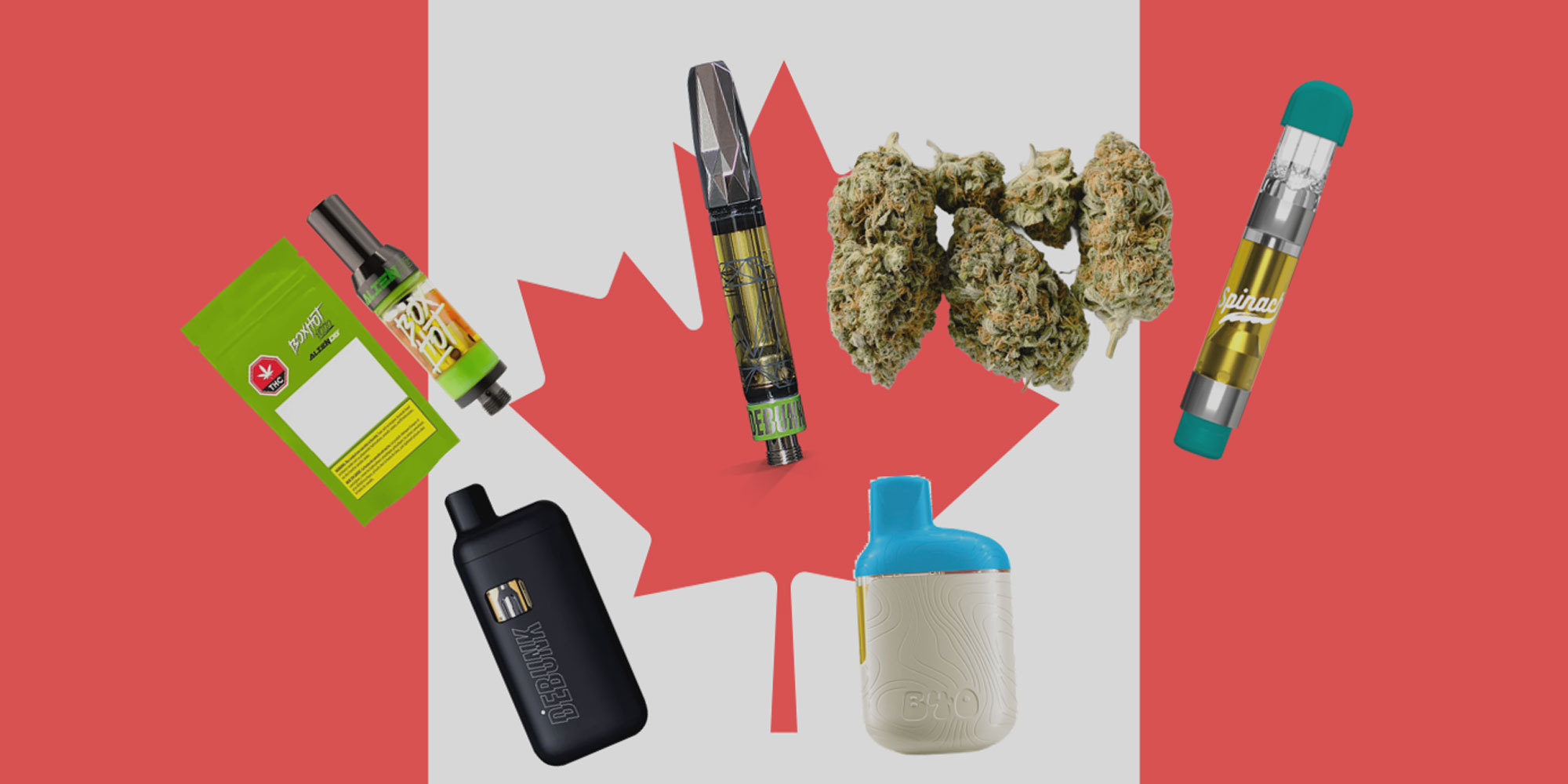
Across Ontario, Alberta, British Columbia, and Saskatchewan, pre-roll and flower continue to dominate, but the story is really about what's happening at the margins. Pre-roll and vape are both gaining share year over year, while flower's portion of the pie quietly shrinks. Pre-roll also shows seasonal patterns: demand rises in summer when consumers are out and about, and portability matters more.
Vape is now the third-largest product category nationally, and its trajectory is firmly upward, making it one of the most important segments to watch for hardware and brand players alike.
Inside the Vape Market: Format, Pricing, and Oil Trends
The 1g and 0.95g formats dominate the Canadian vape market and continue to grow. This is largely driven by THC regulations. Since total THC per device is capped at 1,000 mg, many brands opt for 0.95g to ensure compliance.
Previously, 1.2g products gained traction by optimizing THC concentration to hit regulatory limits. However, as higher-potency oils like THCA and liquid diamonds emerged, brands shifted back to 1g formats.
Pricing across the four major provinces is notably stable. The $30–$40 CAD price band dominates, with no meaningful downward pressure, a sign of a market that has moved past the early-legalization race-to-the-bottom phase.
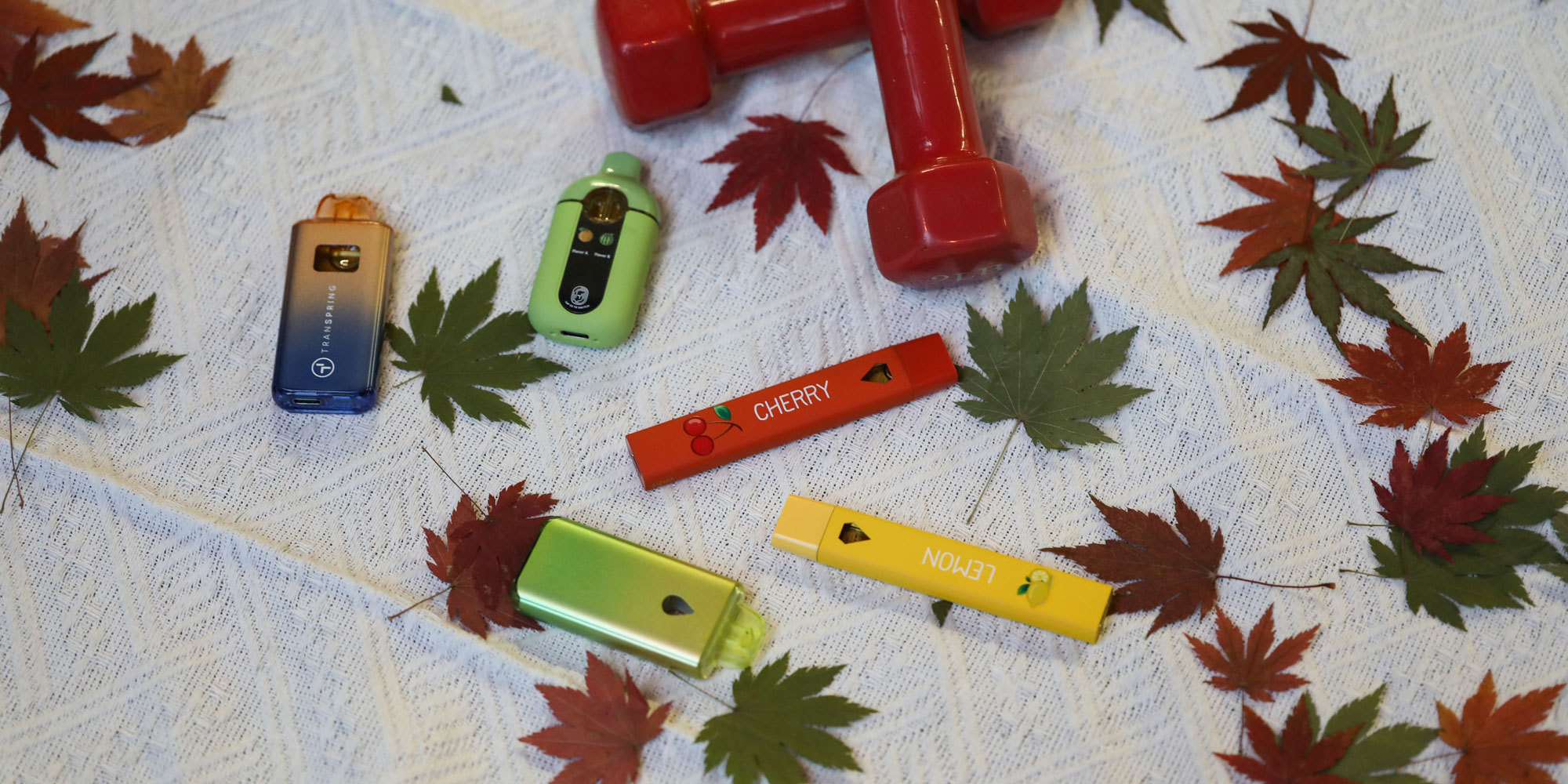
In the disposable vs. cartridge split, 510 cartridges still hold roughly 70% of the vape market, though disposables are gaining fast at approximately 8% per year. Among disposables, the palm-shaped design accounts for 70% of the top 20 brands' lineups, reflecting a clear Canadian aesthetic preference. And no-center-post designs are gaining increasing acceptance in Canada, more so than in the U.S.
On the oil side, distillate held the top spot for years, but liquid diamonds surged sharply throughout 2025 and have now overtaken, or are neck-and-neck with, distillate as the category's leading extract. Live resin occupies a solid third place and continues to trend upward.
Brand Landscape and Market Concentration
The Canadian vape market shows moderate concentration at the top. In Ontario, the top 10 brands control roughly 43.6% of market share, with the top 25 capturing around 67.4%. Organigram holds the number one vape position in Ontario, Alberta, and British Columbia. Spinach and Back Forty appear in the top three across all four provinces, a rare consistency in a fragmented landscape where most brands have a clear geographic stronghold rather than uniform national dominance.
Key Takeaways for Market Entrants
Canada is a serious, professionally regulated market with strong fundamentals. For vape hardware suppliers and brand partners, the opportunity is clear, but so are the requirements. Prioritize 1ml product formats, invest in bold and distinctive aesthetics, and move quickly to develop compatibility with liquid diamond oils, which are reshaping the extract category. For any company with the patience to navigate Canada's structured regulatory pathways, the reward is access to one of the most stable, mature, and commercially attractive cannabis markets in the world.